Table Of Contents
The world of digital designers is rapidly evolving, with new technologies and creative approaches constantly reshaping the industry. Staying ahead means following visionary digital designers who set the pace for innovation and user experience.
This article spotlights four inspiring digital designers poised to influence the landscape in 2026. Readers will discover each designer’s background, signature projects, and unique creative style.
Curious about where digital design is headed? Learn from these trailblazers, uncover emerging trends, and take action by engaging with their work for ongoing inspiration.
Evolving Roles of Digital Designers in 2026
The role of designers is undergoing a rapid transformation as technology and user expectations continue to advance. In 2026, designers are not just creators but strategic partners in shaping digital experiences that set brands apart.
Shifting Industry Demands
Businesses increasingly depend on digital designers for effective branding, marketing, and customer engagement. The integration of artificial intelligence, augmented reality, and virtual reality is reshaping how projects are conceptualised and delivered. According to the Australian Bureau of Statistics, digital design roles have seen double-digit growth over the past few years.
Cross-disciplinary expertise, such as UI/UX, animation, and coding, is now essential.
New job titles are emerging, including Design Technologist and UX Engineer. For a deeper dive into how AI is fuelling creativity in this field, see AI-Enhanced Creativity in Graphic Design. Digital designers must adapt quickly to remain indispensable in this evolving landscape.
Key Skills and Technologies Defining the Field
Today’s digital designers need a blend of technical and creative skills. Core competencies include UI/UX design, motion graphics, coding, and 3D visualisation. Popular tools like Figma, Webflow, Framer, and the Adobe Creative Suite are industry standards. The rise of no-code platforms and workflow automation is accelerating project delivery.
Industry data shows motion design and prototyping are among the top in-demand digital design skills for 2026. Designers who embrace these evolving technologies are pushing boundaries, creating interactive experiences that captivate users and elevate brands. Staying current with these tools is crucial for digital designers aiming to lead in their field.
Why Following Leading Designers Matters
Leading digital designers set the pace for industry trends, tools, and best practices.
By following their work, professionals gain valuable insights into emerging techniques and creative solutions. Engaging with top designers opens doors to learning, networking, and mentorship opportunities. Many share knowledge through online communities, workshops, and educational resources, providing inspiration and guidance.
Real-world examples show that connecting with industry leaders can accelerate career growth and spark innovative thinking. Whether joining designer-led forums or participating in webinars, following digital designers is a proven way to stay inspired and informed.
How These Designers Were Selected
The designers featured in this article were chosen for their innovation, influence, and impact across diverse specialisations and backgrounds. Selection criteria included a strong portfolio, industry recognition, and contributions to advancing the field.
Sources ranged from prestigious awards to peer recommendations and published work. The aim was to represent a spectrum of design disciplines, from brand identity to AI-driven creativity.
Each designer brings a unique perspective, offering valuable lessons for peers and aspiring professionals.
4 Inspiring Digital Designers to Watch in 2026
Meet the digital designers redefining creativity, technology, and user experience in 2026. Each professional on this list brings a unique vision and approach, shaping the future of digital design across industries. Explore their backgrounds, standout projects, and the innovative techniques that make them leaders to watch.
1. Gloria Lo - Product Designer at Canva
Why she stands out:
- Principal Product Designer at Canva since October 2019, working on one of the world's most-used design platforms
- Strong advocate for accessible design—focused on ensuring Canva is usable by anyone regardless of age, skills, or background
- Multi-talented creative who combines UX/UI design with other artistic pursuits (singing, painting, writing)
- Active mentor on ADPList, helping guide the next generation of designers
- Notable portfolio with clean, comprehensive case studies that demonstrate end-to-end design thinking
Her impact: Working at Canva gives her influence over how millions of people create and communicate visually. Her work emphasises inclusive design that serves diverse user groups from young students to small business owners.
Find her: glorialo.design | Medium writer sharing UX insights

2. Cam Gomersall - Digital Designer & Web Specialist
Why he stands out:
- Over a decade of experience specialising in web design, branding, and digital solutions with a focus on rapid deployment and measurable results
- Expert across multiple platforms including Webflow, Framer, and Shopify, offering clients comprehensive end-to-end solutions from concept to launch
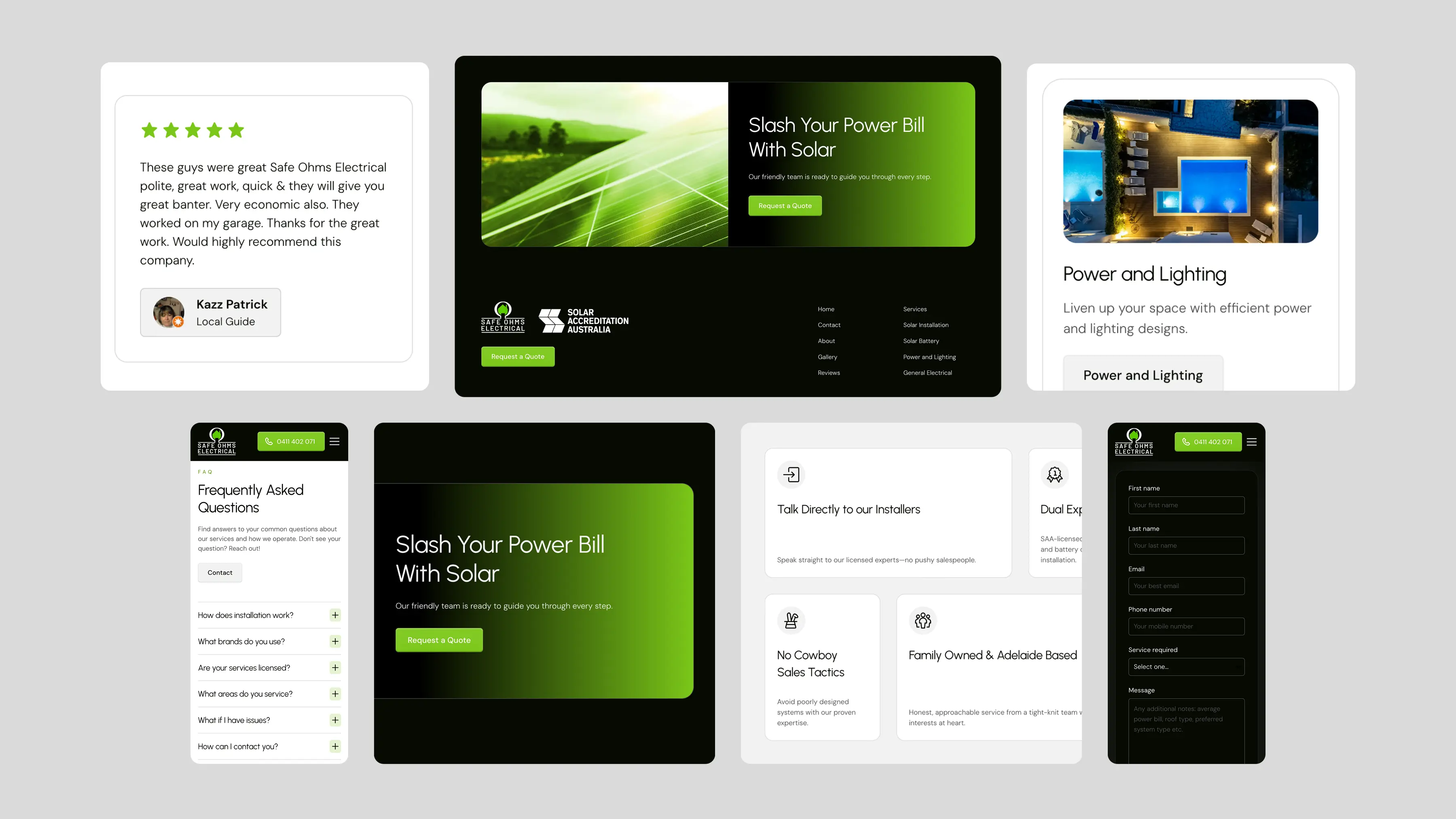
- Portfolio includes work with notable clients like Flinders University, Klein Tools, Wall of Sound and Reggie's Detroit Pizza
- Strong focus on lead generation and conversion optimisation—projects consistently deliver rapid increases in online presence and sales
- Highly collaborative approach with proven ability to personalise each project to realise clients' specific visions
His impact: Cam has become a trusted partner for small and medium businesses, startups, and marketing managers across Australia who need reliable turnaround times without sacrificing innovation.
His end-to-end methodology allows businesses to move quickly from idea to live website, often seeing immediate impact on their digital performance. His reputation is built on strong testimonials, repeat business, and measurable project outcomes.
Find him: camgomersall.com | X/Twitter @camgomersall
3. Jessica Hische - Lettering Artist, Author & Designer
Why she stands out:
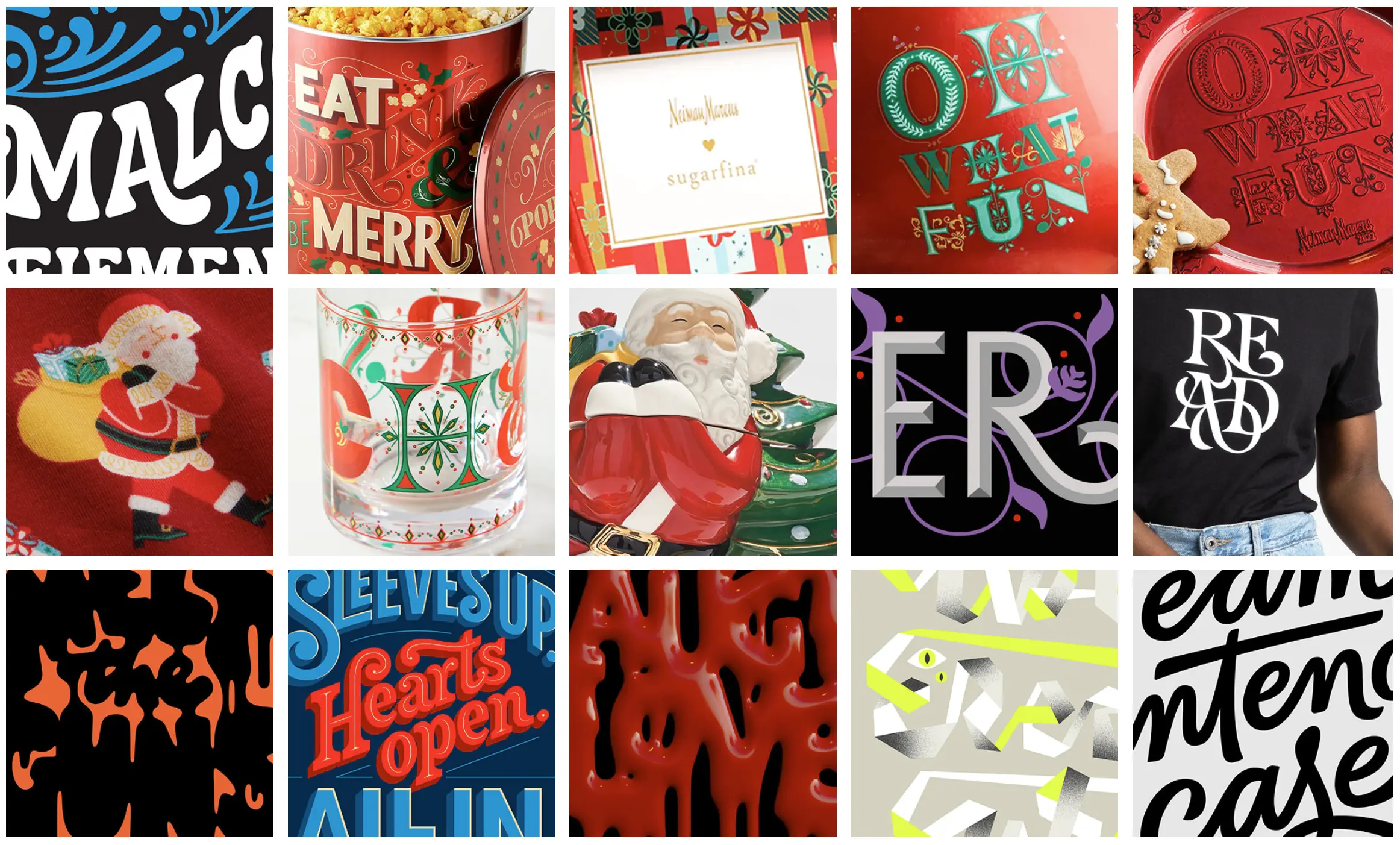
- Lettering artist, author, logo specialist, and UI/UX designer who has drafted letterforms and worked in advertising, for books and films
- Her portfolio showcases the potential of a portfolio as not just a professional representation but as a canvas for artistic expression
- Brings a unique artistic flair to digital design, bridging typography with user experience
- Known for infusing creativity and personal expression into every project
- Inspirational for designers looking to go beyond conventional portfolio presentation
Her impact: She demonstrates how traditional design disciplines like lettering can enhance and elevate digital experiences, showing designers they don't have to choose between artistry and functionality.
Find her: jessicahische.is (known for vibrant, creative portfolio design)
4. Brad Frost - Design System Consultant & Creator of Atomic Design
Why he stands out:
- Creator of the Atomic Design Framework, which has become a super popular framework for design systems worldwide
- Author of "Atomic Design," the definitive book on creating and maintaining design systems
- Works with major companies on design system strategy and implementation
- Active on social media sharing design discussions, relatable memes, and industry insights
- Combines technical expertise with accessible teaching style
His impact: His Atomic Design methodology has fundamentally changed how teams approach scalable, component-based design systems. The framework is now industry standard at countless companies.
Find him: bradfrost.com | Active on socials for design discussions
Emerging Trends Shaping Digital Design in 2026
As we look ahead to 2026, digital designers are navigating a landscape shaped by rapid technological change and evolving user expectations. The following trends are redefining the industry, empowering designers to deliver more impactful, inclusive, and sustainable digital experiences.
Artificial Intelligence and Automation in Design
Artificial intelligence is rapidly transforming how digital designers approach their craft. AI-powered tools now streamline everything from ideation to asset management. Generative design and automated prototyping allow teams to iterate faster, while smart libraries personalise user experiences at scale.
Recent industry surveys show that 65% of digital designers now use AI tools in their daily workflow. AI toolkits have enabled agencies to scale content creation efficiently, reducing production times and boosting creative output. These advancements free up designers to focus on strategy and innovation.
The Rise of No-Code and Low-Code Platforms
No-code and low-code platforms are making digital product design more accessible than ever. Tools like Webflow and Framer empower non-developers to launch sophisticated websites and apps with ease. This shift is allowing digital designers to deliver projects faster and at lower costs.
Cam Gomersall, for instance, leverages Webflow to create high-impact client sites, cutting down development time. In fact, 48% of new digital products in 2026 are built using no-code solutions. To learn more about how these platforms are reshaping the field, see How to design a website with Webflow.
Accessibility and Inclusive Design
A growing focus on accessibility is pushing digital designers to create solutions that work for everyone. Industry-wide, teams are prioritising compliance with WCAG and implementing inclusive design systems.
Seventy percent of organisations now prioritise accessibility in digital projects, resulting in broader reach and improved SEO. Trends like automated accessibility testing and user-centric prototyping are helping digital designers ensure universal usability.
Sustainability in Digital Experiences
Sustainability has become a core value for digital designers aiming to reduce the environmental impact of digital products.
Web agencies now offer sustainability audits, reflecting rising demand for greener solutions. By prioritising sustainability, digital designers enhance brand reputation and foster lasting user loyalty.
How to Connect and Learn from Leading Digital Designers
Building connections with digital designers is essential for staying current in a rapidly changing industry. Whether you are a student, a professional, or a business stakeholder, there are practical ways to engage with these leaders and absorb their expertise.
Following Designers on Social Media and Portfolio Platforms
Social media and portfolio platforms are powerful gateways to the world of digital designers. Sites like Instagram, LinkedIn, Contra, and Behance let you follow designers, view their latest projects, and observe their creative process in real time.
By engaging with their posts, commenting, and sharing feedback, you can initiate meaningful conversations and build your professional network.
Many digital designers also share valuable insights into foundational principles, such as visual hierarchy in digital design, which can help you improve your own work.
For the best results, set aside time each week to interact with these platforms, ask questions, and participate in live Q&A sessions.
Attending Workshops, Webinars, and Conferences
Participating in workshops, webinars, and conferences allows you to learn directly from digital designers who are shaping the industry. These events often feature hands-on sessions, panel discussions, and live demonstrations of new tools and techniques.
Australian events like Pause Fest, UX Australia, and Semi Permanent offer opportunities to connect with both local and international talent. Many digital designers present at global conferences, sharing insights on topics such as AR, VR, and motion-led typography.
Regular attendance at these events can help you stay ahead of trends, expand your skill set, and make valuable professional connections.
Leveraging Online Courses and Mentorship Opportunities
Online courses and mentorship programs provide structured learning and personalised guidance from top digital designers. Platforms like Skillshare and Coursera offer courses on UI, UX, branding, and more, often taught by acclaimed professionals.
Mentorship programs give you access to one-on-one feedback, portfolio reviews, and career advice. Many digital designers also run private bootcamps or clinics, focusing on specific skills such as accessibility or brand identity.
Actively seeking out these opportunities can accelerate your growth and help you build a robust portfolio tailored to industry needs.
Participating in Design Communities and Challenges
Joining design communities and entering challenges is a practical way to collaborate with digital designers and gain exposure to new trends. Popular communities include Framer's community, and local meetups, all of which foster knowledge sharing and peer support.
Participate by sharing your work, joining critique sessions, and contributing resources to the group. Many digital designers gain freelance clients and long-term collaborators through these platforms.
For those who work remotely, consider learning from resources like how web designers can work remotely to maximise your engagement and success in digital communities.
As you’ve seen, the digital design landscape is evolving rapidly, and following visionary designers is key to staying ahead. Whether you’re inspired by innovative branding, immersive user experiences, or sustainable design, now is the perfect time to elevate your own digital presence.
If you’d like tailored guidance from an experienced professional who understands how to help businesses stand out and thrive online, I’m here to support you. Let’s discuss your goals and explore creative solutions together
Book a call and take the next step in growing your business with confidence.