Table Of Contents
In 2026, the digital landscape is rapidly transforming, and the fusion of seo and design has become essential for success. Brands can no longer treat these as separate disciplines if they want to stand out online.
This guide reveals how innovative design choices and advanced optimisation work together to drive visibility, engagement, and conversions. You will discover the latest trends, key design principles, the impact of AI, and practical steps to future-proof your website.
Ready to gain a competitive edge? Explore actionable strategies that ensure your brand thrives in the ever-evolving world of digital marketing.
The Evolution of SEO and Design: 2026 Landscape
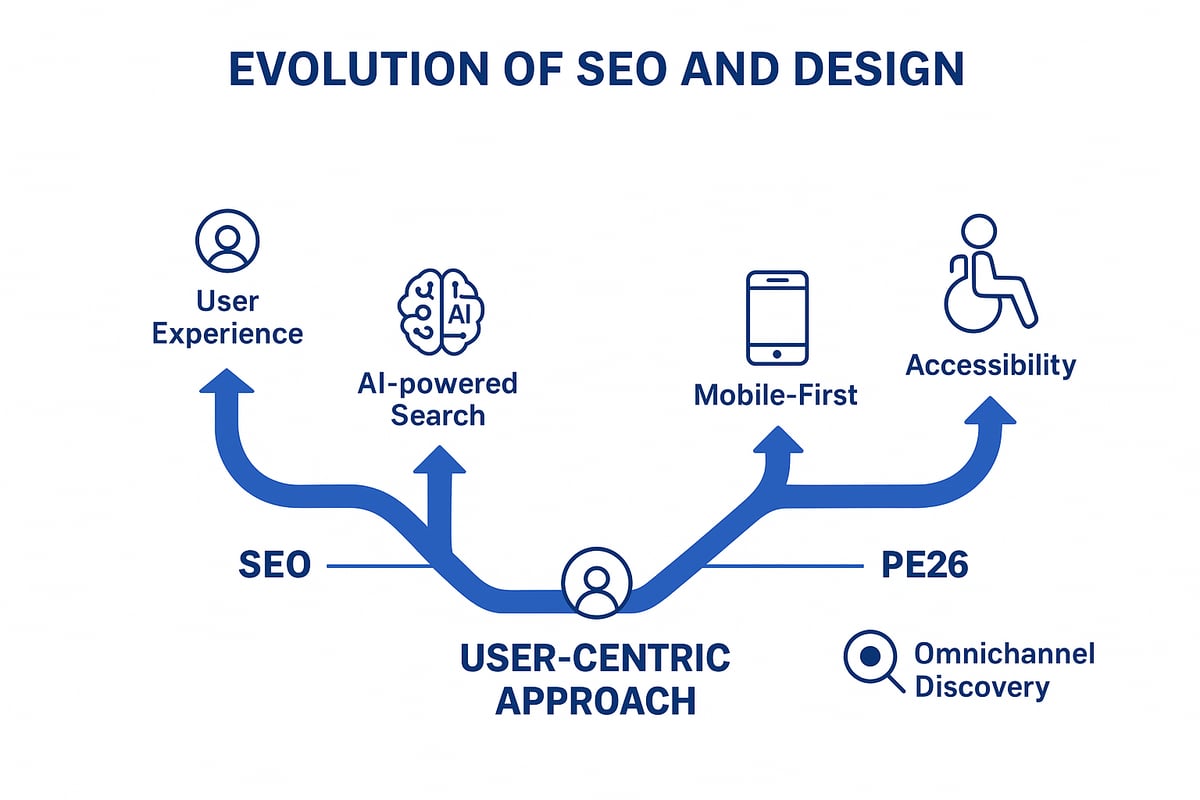
SEO and design have undergone a dramatic transformation by 2026. What were once separate disciplines now operate as a single, integrated force driving digital success. Businesses that treat SEO and design as a unified strategy consistently outperform those that keep them in silos.
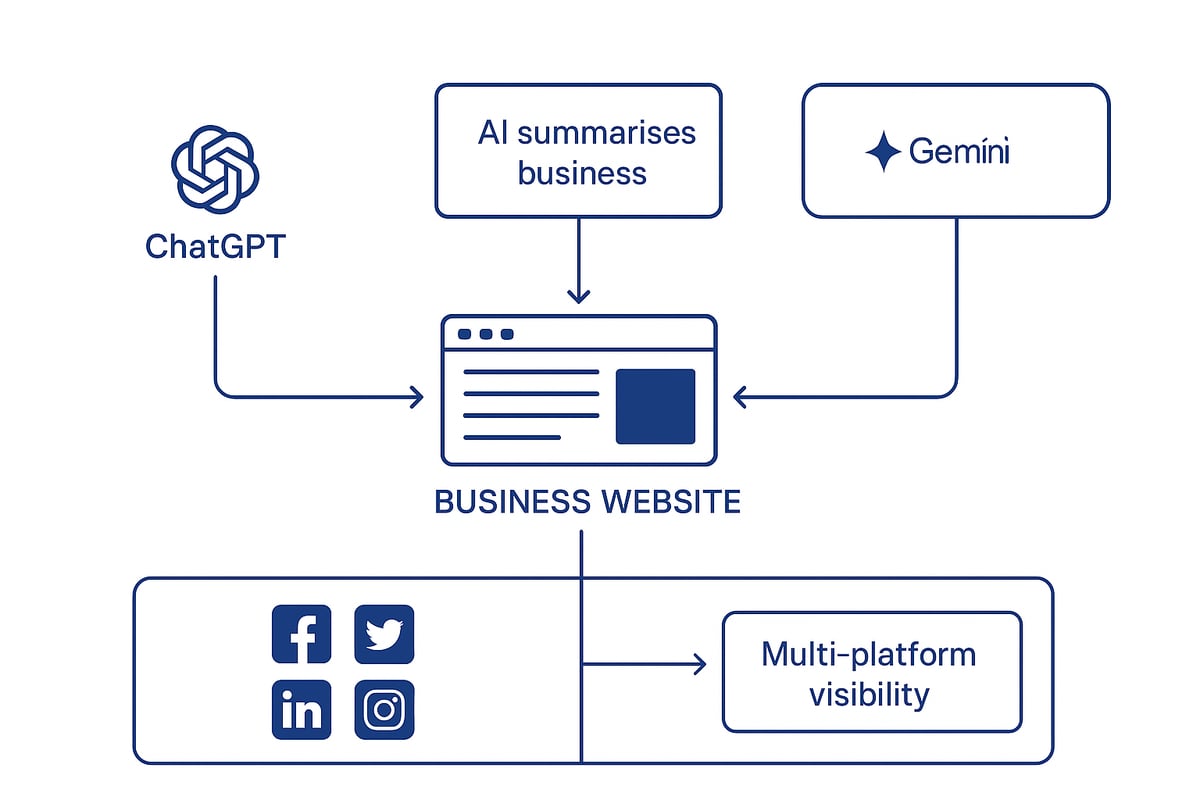
The convergence of SEO and design is powered by several key drivers. User experience is now at the forefront, with Google rewarding sites that are intuitive, visually appealing, and easy to navigate. AI-powered search engines and digital assistants are reshaping how users find and interact with content. Multi-platform visibility is essential, as consumers search not only on Google, but also on social media and AI tools like ChatGPT and Gemini.
AI has become integral to both SEO and design. Modern AI algorithms evaluate websites based on clarity, usability, and consistency. This goes beyond keywords, focusing on how well a site communicates its value and expertise. Conversational search is now the norm, with users asking questions in natural language and expecting immediate, relevant answers. As explored in AI's Role in Web Design, designers increasingly collaborate with AI tools to optimise both content and layout for search engines and users.
Mobile-first and accessibility standards are non-negotiable in 2026. Google’s mobile-first indexing means your site must perform flawlessly on every device. Accessible design, including semantic HTML, high contrast, and alt text, is now more than a best practice—it is a ranking factor. Sites that ignore these principles risk losing visibility and alienating users who expect seamless experiences everywhere.
Recent data highlights the shift in user behaviour. Studies reveal that over 70% of users now consult a mix of search engines, social media, and AI assistants before making decisions. Sites that are seamless, fast, and visually engaging achieve higher rankings and retain visitors longer. For example, a business with a rapid, visually dynamic site sees improved dwell time and lower bounce rates compared to a slower, cluttered competitor.
The biggest insight for brands is the move from keyword-centric SEO to experience-driven optimisation. Search engines now prioritise sites that deliver value, clarity, and trust. To stay competitive, businesses must adapt their SEO and design for omnichannel discovery, ensuring their message is consistent and accessible across every digital touchpoint.
Core Principles of SEO-Driven Design
A modern website’s success in 2026 is built on the seamless integration of seo and design. These two elements are no longer separate, but work hand in hand to ensure every visitor not only finds your site, but enjoys a smooth and engaging experience. Let’s explore the foundational principles that guide high-performing websites today.
User-First Design Principles
User expectations are higher than ever, making user-first design the cornerstone of effective seo and design. Prioritising usability means creating clear pathways for visitors to find information, complete tasks, and interact with your brand. Fast load times, minimal distractions, and intuitive interfaces all contribute to positive user experiences.
A user-centric approach also means anticipating needs. For example, predictive search, clear calls to action, and logical content groupings help visitors stay engaged. When users can quickly achieve their goals, search engines reward these sites with higher rankings.
Usability, clarity, and speed are not optional. They are the foundation of seo and design that drives conversions and repeat visits.
Visual Hierarchy and Navigation
Visual hierarchy is the art of guiding attention through layout, size, colour, and spacing. Effective use of headings, whitespace, and intuitive navigation ensures visitors and search engines alike can easily scan and understand your content.
Menus should be descriptive, not cryptic. Consistent heading structures, logical grouping, and prominent CTAs help visitors move through your site without confusion. For a deep dive into these principles, see this guide on visual hierarchy in web design.
A well-structured visual hierarchy is essential for seo and design because it shapes both the user’s journey and how search engines interpret your site’s relevance.
Responsive, Accessible, and Fast by Default
In 2026, responsive and mobile-first layouts are non-negotiable. Google’s algorithms prioritise sites that work flawlessly on all devices, and users expect a seamless experience from desktop to mobile.
Accessibility is equally critical. Use semantic HTML, sufficient colour contrast, and descriptive alt tags to ensure everyone, including those with disabilities, can access your content. Prioritising accessibility is a core part of seo and design, as search engines increasingly factor inclusivity into rankings.
Optimising for site speed is vital. Compress images, use efficient fonts, and streamline code to meet Core Web Vitals benchmarks. Fast, stable, accessible sites perform better in both search and user engagement.
The SEO Impact of Design Choices
Every design decision, from layout to image selection, influences your site’s performance in search. Google’s Core Web Vitals measure factors like loading speed, visual stability, and interactivity, penalising sites that fall short.
Consider this: a site with clear navigation, stable layouts, and rapid loading will see higher dwell times and lower bounce rates. These metrics directly impact your seo and design outcomes, as search engines reward sites that deliver the best possible user experience.
To future-proof your site, adopt design systems that are both visually appealing and search-optimised. In 2026, design is SEO, and the two together are your path to digital success.
Step-by-Step Guide: Optimising SEO and Design for 2026
Integrating seo and design is essential for any brand aiming to excel in the competitive digital space of 2026. A systematic approach ensures your site not only ranks well but also delivers an engaging, accessible experience for every user. This guide breaks down each step to help you achieve a future-proof, high-performing website.
Step 1: Audit Your Current Website
Begin by auditing your website for both seo and design weaknesses. Focus on performance metrics like load speed, accessibility issues, and mobile usability. Use tools such as Google Lighthouse to identify problems with Core Web Vitals, semantic HTML, and navigation. Document all issues, prioritising those that directly impact user experience and search visibility.
Create a checklist covering these audit areas:
A comprehensive audit sets the foundation for all future improvements in seo and design.
Step 2: Research User Intent and Search Behaviour
Understanding your audience is vital for effective seo and design. Map out user intent by analysing how visitors search for your products or services, both on Google and through AI tools or social platforms. Review analytics to see which queries drive traffic and where users drop off.
Identify platform-specific behaviour:
This insight ensures your content and structure align with real-world user needs, improving engagement and discoverability.
Step 3: Redesign for Mobile-First and Accessibility
With mobile-first as Google’s standard, your website must prioritise responsive layouts and accessibility. Update your design to ensure seamless experiences across all devices. Use flexible grids, readable font sizes, and touch-friendly elements.
Key mobile-first and accessibility actions:
By integrating these principles, seo and design work together to meet both user expectations and search engine requirements.
Step 4: Optimise Site Speed and Core Web Vitals
Site speed is a crucial ranking factor in 2026. Compress images, minimise scripts, and streamline your codebase to boost load times. Focus on Google’s Core Web Vitals: LCP (Largest Contentful Paint), CLS (Cumulative Layout Shift), and INP (Interaction to Next Paint).
For a detailed walkthrough on enhancing load speed, check out How to improve website load speed. Fast, stable sites not only climb higher in rankings but also keep users engaged, reinforcing the connection between seo and design.
Step 5: Structure Content for Clarity and Engagement
Organise your content using a logical hierarchy. Use headings, lists, tables, and multimedia to make information easy to scan. Ensure your navigation is intuitive, and content is grouped in a way that reflects user priorities.
Effective structuring tips:
Clear content structure enhances seo and design outcomes, helping both users and search engines understand your offerings.
Step 6: Implement Technical SEO
Strengthen your site’s foundation by adding schema markup, optimising meta tags, and establishing a robust internal linking strategy. Use structured data to help search engines interpret your content and context.
Technical SEO checklist:
This step ensures seo and design are aligned at the code level, supporting better rankings and richer search results.
Step 7: Test, Iterate, and Maintain
Continuous improvement is key. Use analytics, heatmaps, and user feedback to monitor performance and identify new areas for optimisation. Regularly review your site to maintain high standards in both seo and design.
For example, a site transformed from slow and static to fast, responsive, and visually appealing can see up to 24% more engagement. Remember, ongoing refinements are essential for lasting success in 2026’s ever-evolving digital landscape.
The Impact of AI and Multi-Platform Search on SEO & Design
The landscape of seo and design in 2026 is being transformed by artificial intelligence and the proliferation of new search platforms. No longer is Google the sole gateway to discovery. AI assistants like ChatGPT and Gemini, as well as platforms such as YouTube and social media, now play pivotal roles in how users find and evaluate brands.
This shift means that businesses must rethink their approach to seo and design. Success today is not just about ranking well on traditional search engines, but about ensuring your brand is visible, understandable, and trusted everywhere users search for information.
The New Search Reality
AI platforms are redefining how seo and design strategies are executed. When a user asks an AI assistant about a business, the assistant scans the web, analyses content structure, and generates a summary based on available information.
A site with clear, consistent messaging and a user-focused design will be accurately and positively described by these AI tools. On the other hand, poorly structured or confusing sites risk being misrepresented or overlooked. According to competitor insights, more users now consult AI, YouTube, and social channels for recommendations than ever before.
This growing trend makes it vital for brands to optimise seo and design for both human and machine comprehension. The more accessible and well-structured your site, the more likely AI will recommend your business to potential customers.
Clarity and Consistency Across Channels
To remain competitive, businesses must ensure their seo and design communicate a unified message across all platforms. AI does not just rely on your website, it also pulls data from your social profiles, reviews, and other digital assets.
Consistency is key. If your website message is clear, but your social channels tell a different story, AI may generate an incomplete or inaccurate summary. The best-performing brands present a coherent identity everywhere, making it easy for both users and algorithms to understand what they offer.
This approach to seo and design requires regular audits of all digital touchpoints. By aligning your messaging and maintaining high standards of clarity, you build trust with both search engines and the people using them.
The Role of AI Engine Optimisation
AI Engine Optimisation (AEO) is the next evolution in seo and design. Unlike traditional SEO, which focused mainly on keywords and backlinks, AEO prioritises how well your brand can be understood and recommended by AI systems.
AEO involves structuring your content so it is easily digestible by both humans and machines. This means using clear headings, concise language, and schema markup to provide context. The aim is to ensure that when an AI scans your site, it can quickly summarise your business and present it accurately to users.
For a deeper dive into how AI is actively changing the future of seo and design, including predictive intelligence and content optimisation, see AI's Impact on SEO.
Preparing for Multi-Platform Search
The future of seo and design is multi-platform. Brands must optimise not only for Google, but also for AI chatbots, voice assistants, and social discovery engines. This wider net means your content must be both technically sound and genuinely helpful.
Practical steps include:
By embracing these strategies, you position your brand for success in a world where discovery happens everywhere. In 2026 and beyond, integrating seo and design for multi-platform visibility is not optional, it is essential for ongoing growth and authority.
Future-Proofing Your Website: Trends & Strategies for 2026 and Beyond
Staying competitive in 2026 means future-proofing your digital presence through a seamless blend of seo and design. As search engines and user behaviours evolve, brands must anticipate changes, embrace innovation, and commit to ongoing optimisation. The landscape no longer allows for static approaches—continuous improvement is essential.
Adapting to Google’s Algorithm Changes
Google's algorithms are increasingly sophisticated, focusing on user experience, speed, and relevancy. In 2026, updates reward sites that prioritise seo and design holistically. This means not only optimising keywords, but also delivering fast, stable, and accessible experiences.
Core Web Vitals play a central role. Metrics such as Largest Contentful Paint (LCP), Cumulative Layout Shift (CLS), and Interaction to Next Paint (INP) directly impact rankings. Sites with slow load times or visual instability are penalised. Brands that consistently monitor and adapt to these changes maintain higher visibility.
Future-proofing requires staying agile. Regularly audit your website for algorithm compliance, and integrate technical improvements as new ranking factors emerge. By treating seo and design as a unified discipline, you secure long-term growth in a volatile digital environment.
Meeting User Expectations for 2026
Users in 2026 expect instant, seamless, and inclusive online experiences. Mobile-first strategies are now mandatory, not optional. Google’s mobile-first indexing means your site must perform flawlessly on all devices, with responsive layouts and touch-friendly navigation.
Accessibility remains a top priority. Semantic HTML, sufficient colour contrast, and alt text for images ensure your content is usable by everyone. A site that excels in seo and design is not only discoverable, but also welcoming to all users.
Visual appeal matters, but speed and clarity are non-negotiable. Large images or excessive animations can slow down your site and drive visitors away. For practical guidance on optimising your site for mobile users, review this resource on making your website mobile friendly.
Leveraging Emerging Technologies
The digital frontier is expanding with technologies like voice search, visual search, AR/VR, and AI-powered assistants. Integrating these into your seo and design strategy ensures your brand remains visible as user behaviours shift.
Voice and visual search are reshaping how users discover content. Structured data, conversational content, and visually rich layouts make your site more accessible to these technologies. AI-driven platforms summarise and recommend businesses based on the clarity and authority of your website.
Staying informed about emerging web design trends gives you a competitive edge. Trends like sustainable design, voice-enabled interfaces, and immersive experiences are shaping the expectations of tomorrow’s users.
Strategies for Ongoing Success
Future-proofing your website is an ongoing commitment, not a one-time project. Brands that thrive in 2026 follow a disciplined cycle of review, optimisation, and innovation.
Key strategies include:
Businesses doubling down on seo and design integration are better positioned for AI-driven discovery and long-term authority. Invest in clarity, consistency, and technical excellence to ensure your digital presence stands strong, no matter how the landscape shifts.
FAQs: SEO and Design in 2026
As the digital landscape evolves, questions about seo and design are more important than ever. Below, we answer the most pressing questions brands face in 2026, helping you navigate updates, trends, and best practices with confidence.
Does redesigning my website hurt SEO?
Redesigning your site can impact seo and design performance, but careful planning prevents ranking loss. Focus on maintaining URLs, improving speed, and enhancing user experience for the best results.
Should I prioritise design or content?
It is not a matter of choosing between design and content. Great seo and design work hand in hand, as visually engaging layouts support compelling, helpful content.
Can animations or visual effects hurt SEO?
Animations can enhance user engagement, but heavy effects may slow your site or disrupt usability. Always optimise for performance and test how changes affect Core Web Vitals.
How does accessibility impact rankings?
Google now rewards sites with accessible, inclusive design. Using semantic HTML, proper contrast, and alt tags helps improve both seo and design outcomes for every user.
What are Google’s top priorities in 2026?
Google prioritises fast, responsive, accessible, and user-focused sites. Meeting these standards is essential for strong seo and design performance.
How do I measure if my SEO and design are working?
Use analytics, engagement metrics, and Core Web Vitals to track improvements. Tools like heatmaps and user testing reveal how users interact with your site.
What is AEO and how does it relate to SEO?
AEO, or AI Engine Optimisation, expands on traditional seo and design by making your content easily understood by AI tools. Research like AI-Native Web Interaction explores how AI interprets web content for broader discovery.
How often should I update my website to stay competitive?
Regular reviews keep your seo and design up to date. Auditing your site, refreshing design, and updating content ensure you maintain visibility as algorithms and user habits shift.
Staying ahead in 2026 means treating seo and design as a continuous, integrated process. Stay focused on user needs, technical excellence, and ongoing improvement for long-term digital success.
Taking everything we’ve covered into account—from the rise of AI in search to the need for seamless, user-first design—it’s clear that staying ahead in 2026 means blending strategy with creativity. If you’re ready to future proof your website, elevate your brand, and turn digital challenges into real growth, I’m here to help you map out the next steps. Let’s collaborate to craft a site that’s not only beautiful, but truly discoverable and ready for what’s next.
Start your project