Table Of Contents
In 2026, brands face unprecedented competition as consumers are bombarded with choices across digital platforms. Capturing attention now demands more than clever marketing — it requires a distinctive brand identity logo design that speaks to your audience and sets you apart.
A future-focused brand identity logo design is not just a visual mark, but a strategic tool for building credibility, trust, and emotional connection. This guide will lead you through the essential components of strong brand identity, the psychology behind effective logos, and a clear step-by-step process for crafting a logo that resonates.
With expert insights, emerging trends, and actionable strategies, you will discover how to elevate your brand and create lasting impact in the evolving landscape. Ready to stand out and thrive? Let’s begin your journey to a compelling brand identity logo design.
Understanding Brand Identity in 2026
In 2026, the landscape of brand identity logo design is more dynamic and competitive than ever. To stand out, brands must build identities that resonate visually, verbally, and experientially with their audiences.

What is Brand Identity?
Brand identity is the holistic representation of a business across every touchpoint, from visuals to messaging and customer experience. It differs from branding, which is the process of shaping perception, and brand image, which is how audiences perceive the brand.
A strong brand identity logo design weaves together values, mission, and personality, creating a consistent narrative. When done right, it builds trust and recognition, as seen with brands like Apple and McDonald’s, who integrate their ethos into every aspect of their presence.
The Role of Logo Design in Brand Identity
A logo is the cornerstone of brand identity logo design, acting as the visual shorthand for a brand’s essence and values. Logos distil complex ideas into a simple mark that consumers instantly recognise.
Consistency in logo use across platforms is vital. Research shows logos are often the first brand touchpoint for consumers, making a lasting impression. Iconic examples include Nike’s swoosh and McDonald’s golden arches, both of which shape how audiences connect with their brands.
Key Components of a Cohesive Brand Identity
A cohesive brand identity logo design relies on a blend of visual and verbal elements. Visually, this means a harmonious logo, colour palette, typography, and imagery. Verbally, a clear tone of voice, messaging, and memorable taglines are essential.
Consistency is achieved through guidelines that govern usage across digital and physical channels. Brands like Apple and Coca-Cola excel with unified identities, ensuring every interaction reinforces their core message.
Visual ElementsVerbal ElementsGuidelines ImportanceLogoTone of VoiceEnsures cohesionColour PaletteMessagingPrevents dilutionTypographyTaglinesBuilds recognition
Why Brand Identity Matters More Than Ever in 2026
With digital noise and competition reaching unprecedented levels, a robust brand identity logo design is critical. Consumers increasingly demand authenticity and transparency, seeking brands that align with their values.
Brand identity fosters loyalty and advocacy. Data shows consistent branding can boost revenue by up to 23%. As platforms and technologies evolve, adaptable identities become essential for maintaining relevance and engagement.
Common Pitfalls in Brand Identity Development
Many brands stumble with brand identity logo design by failing to maintain consistency, misaligning with audience values, or overcomplicating visuals. Oversimplification can also strip away distinctiveness, while ignoring market trends leads to stagnation.
It’s vital to learn from others’ mistakes. Brands that failed to adapt often lost market share or relevance. For a deeper look at these challenges, read about Common branding misconceptions to avoid similar pitfalls in your own strategy.
The Psychology of Logo Design: Colour, Typography & Symbolism
Understanding the psychology behind brand identity logo design is essential for creating a logo that resonates with your audience in 2026. Every element, from colour to typography and symbolism, works together to shape perceptions, trigger emotions, and drive brand loyalty. Let’s explore how these components influence brand identity logo design and set the foundation for memorable brands.
Colour Psychology in Logo Design
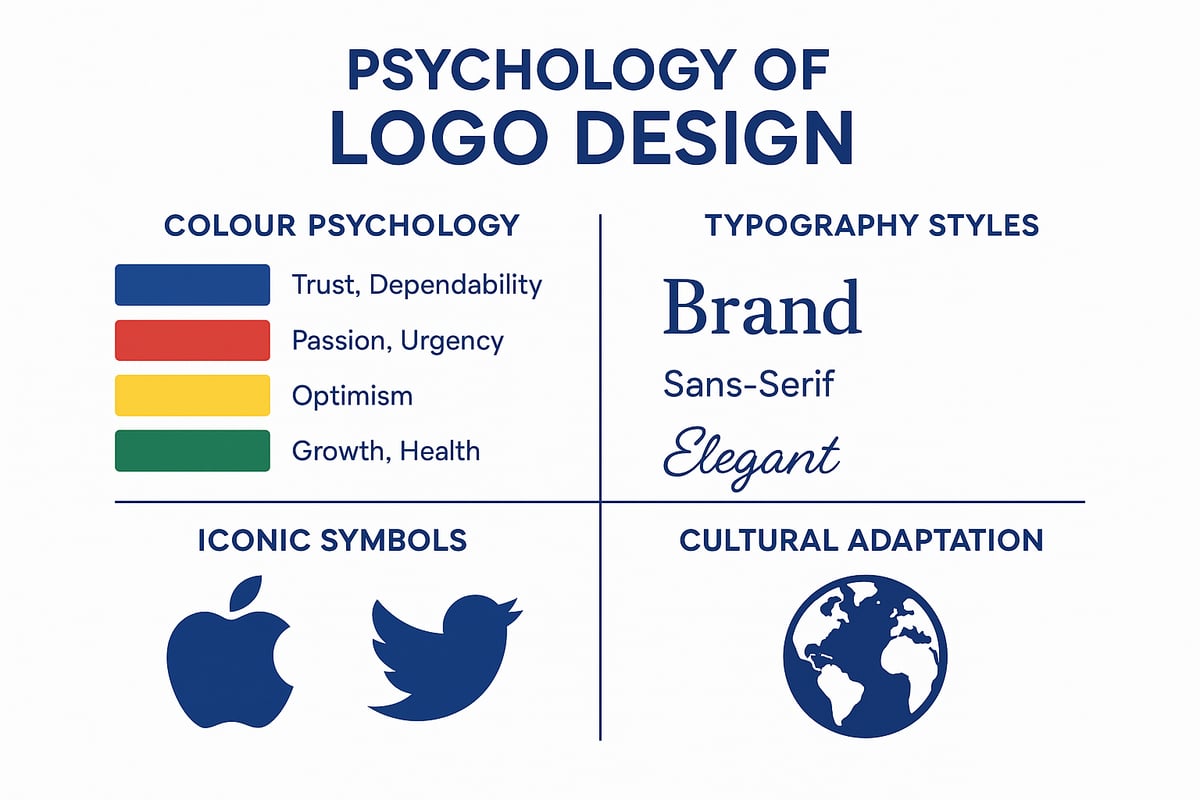
Colour choices play a vital role in brand identity logo design, directly impacting how consumers feel about your brand. Different colours evoke distinct emotions—blue suggests trust and reliability, making it popular in finance, while red sparks excitement and appetite, often used by fast-food brands.
In fact, 85% of consumers cite colour as a primary reason for choosing one product over another. Successful rebrands, such as banks adopting calming blues or tech companies shifting to vibrant, energetic hues, demonstrate the power of strategic colour selection. For a deeper dive into the psychology of colour, see this helpful guide on Color Psychology in Logo Design.
Typography and Brand Personality
Typography shapes the personality of your brand identity logo design. Serif fonts evoke tradition and trust, making them ideal for law firms or heritage brands. Sans-serif fonts project modernity and simplicity, often chosen by tech startups and digital-first businesses. Script fonts add elegance or creativity, suitable for luxury or artistic brands.
The right font style supports your brand’s values and tone, influencing the way your audience perceives your message. Distinctive typographic identities, like Google's clean sans-serif or The New York Times’ iconic serif, reinforce recognition and credibility. Consider current trends and your target market when selecting typography.
Symbolism & Imagery in Logos
Symbols are central to brand identity logo design, communicating your brand’s mission and values in a single glance. Think of Apple’s apple, symbolising innovation and simplicity, or Twitter’s bird, representing freedom and global conversation. Subtle, original imagery can forge a deeper connection with your audience and make your logo instantly recognisable.
Avoid generic icons and clichés—originality is key to standing out. Data shows that logos with simple, memorable symbols are more likely to be recalled by consumers, strengthening your brand’s presence across platforms.
Simplicity, Versatility & Memorability
Minimalist design is a hallmark of effective brand identity logo design. Simple logos, like Nike’s swoosh or Mastercard’s overlapping circles, are instantly recognisable and versatile across all mediums. A minimalist approach ensures your logo remains clear at any size, whether on digital screens or physical products.
The benefits are clear: scalability, adaptability, and long-term memorability. Striking the right balance between simplicity and uniqueness is critical—your logo should be easy to recognise but still reflect your brand’s distinct character.
Cultural & Demographic Considerations
Adapting your brand identity logo design for diverse audiences is more important than ever in 2026. Colours and symbols may carry different meanings across cultures; for example, white symbolises purity in some regions but mourning in others. Brands like Coca-Cola and McDonald’s have successfully modified their logos for local markets, ensuring relevance and respect.
Future-proofing your logo means prioritising inclusive research and staying attuned to shifting demographics. Regularly review your design to ensure it resonates with both global and local audiences, supporting your brand’s growth and reputation.
Step-by-Step Guide: Creating a Brand Identity Logo in 2026
Designing a brand identity logo is both an art and a science.
The process requires strategic planning, creativity, and a clear understanding of your business goals. By following a step-by-step approach, you can craft a logo that not only stands out but also strengthens your brand’s credibility and appeal in a rapidly evolving digital world.
Step 1: Define Your Brand Strategy
A successful brand identity logo design starts with a strong foundation. Begin by clarifying your mission, vision, and core values. What does your brand stand for in 2026? Identify your unique selling points and position your business within your market. Research your target audience’s demographics and psychographics to ensure your logo speaks to their needs and preferences.
Align your logo’s purpose with your broader business objectives. For example, sustainable brands often use earthy tones and organic shapes to reflect their values. If you need actionable advice on this crucial step, see How to create a unique brand for further guidance.
Step 2: Conduct Competitor & Market Analysis
Analysing the competitive landscape is essential for effective brand identity logo design. Examine direct and indirect competitors’ logos and note industry trends. Identify gaps and opportunities so you can differentiate your brand visually. Avoid imitation, as 60% of consumers avoid brands with generic logos.
Utilise advanced market analysis tools available in 2026 to gather insights on successful logo elements in your sector. This research helps you create a distinctive identity, ensuring your brand does not blend into the background but stands out with purpose.
Step 3: Develop Visual Concepts & Moodboards
With your strategy and market insights in hand, brainstorm ideas for your brand identity logo design. Create moodboards that showcase potential colour palettes, typography, and imagery aligned with your brand values. This visual exploration helps clarify the direction and tone you want to achieve.
Involve key stakeholders in the ideation process to gather diverse feedback. Digital collaboration tools make it easier than ever to refine concepts as a team. For instance, tech startups often lean towards sleek, futuristic aesthetics to communicate innovation.
Step 4: Design & Refine the Logo
Now, transform your concepts into tangible logo designs. Start with rough sketches, then develop digital versions that adhere to the principles of brand identity logo design: simplicity, scalability, and relevance. Test your logo in various sizes and formats to ensure it remains clear and recognisable everywhere it appears.
Seek feedback from both internal teams and external audiences. Look at successful evolutions like Mastercard’s move to a symbol-only logo, which improved recognition and flexibility. Refine your design until it feels unmistakably yours.
Step 5: Test for Versatility & Impact
A great brand identity logo design must be versatile and impactful across all platforms. Evaluate your logo’s appearance in digital, print, and physical settings. Does it remain legible in monochrome or at small sizes? Collect feedback from different audience segments to ensure broad appeal.
Remember, 75% of consumers judge a brand by its logo appearance. Adjust your design for accessibility and inclusivity, ensuring your logo welcomes everyone and adapts to the diverse digital landscape of 2026.
Step 6: Finalise & Launch Your Logo
Prepare your brand identity logo design for every use case by creating files in vector, raster, and favicon formats. Develop comprehensive brand guidelines covering logo usage, colour codes, and spacing. Plan a coordinated launch across all digital and physical channels to maximise impact.
Monitor audience response closely after launch. Take inspiration from Instagram’s successful logo relaunch, which combined bold visuals with strategic communication to win over users. Be ready to adapt based on feedback and engagement metrics.
Step 7: Evolve & Future-Proof Your Brand Identity
A powerful brand identity logo design is never static. Monitor market trends and your audience’s feedback post-launch to stay relevant. Schedule regular brand audits and plan for scalable updates as your brand grows.
Study examples like Starbucks, which has evolved its logo over decades to maintain consistency and appeal. By future-proofing your identity, you ensure your brand remains strong and recognisable in 2026 and beyond.
How Logo Design Shapes Consumer Perception & Loyalty
A well-executed brand identity logo design is more than just a visual asset. It is a strategic tool that shapes how consumers perceive, trust, and connect with your brand. In 2026, the stakes are higher than ever, and the right logo can be the difference between fleeting attention and lasting loyalty.
The Power of First Impressions
Your brand identity logo design is often the very first touchpoint a consumer has with your business. Studies show that people form opinions about a brand within seconds, based largely on the logo. A distinctive, professional logo instantly conveys credibility, while a generic or poorly designed one may cause doubt.
Consider Coca-Cola, whose timeless logo has become a global icon. Data reveals that 50% of consumers are more likely to remember a brand with a unique logo. This underscores the importance of investing in a thoughtful, strategic brand identity logo design from the outset.
Building Trust & Credibility
Consistency in brand identity logo design signals reliability and professionalism. When your logo appears uniformly across websites, packaging, and social media, consumers begin to trust your brand. Inconsistent or amateurish logos can erode this trust, leading to decreased engagement.
Case studies highlight brands that revitalised their image through a logo redesign, regaining lost consumer confidence. Insights from competitor research show that 70% of consumers avoid brands with unprofessional logos. Clear, high-quality design is non-negotiable for building credibility in 2026.
Emotional Connection & Brand Loyalty
A strong brand identity logo design does more than inform—it evokes emotion. Logos can trigger nostalgia, foster a sense of belonging, and create memorable experiences that keep customers coming back. Brands like Starbucks and Apple have cultivated communities around their logos, turning simple symbols into emotional touchpoints.
Data shows that emotional branding increases customer lifetime value significantly. By embedding meaning and personality into your logo, you lay the foundation for lasting loyalty and advocacy among your audience.
The Influence of Logo Redesigns
Updating a brand identity logo design carries both opportunity and risk. Bold redesigns, such as Instagram’s transition to a vibrant, modern look, can rejuvenate a brand and signal innovation. However, poorly executed changes may alienate loyal customers.
Learning from successful and failed redesigns is vital. For example, Mastercard’s shift to a symbol-only logo enhanced global recognition. Explore the Top 10 Logo Design Trends 2026 Shaping Brands to understand how adaptive and flexible logos are shaping consumer perceptions. Clear communication during transitions is key to maintaining trust.
Measuring Logo Effectiveness in 2026
Assessing the success of your brand identity logo design requires clear metrics. Track recognition, recall, and engagement rates across channels to gauge impact. Tools like A/B testing and consumer surveys provide actionable feedback for ongoing improvement.
Data-driven adjustments ensure your logo remains relevant and effective. As branding technology evolves, expect more sophisticated analytics to help you measure and refine logo performance, ensuring your brand stays ahead in 2026.
Future Trends in Brand Identity Logo Design
Staying ahead in brand identity logo design means anticipating the shifts that will define the next era of branding. As technology, consumer expectations, and design philosophies evolve, brands must adapt to remain relevant and memorable. The trends shaping 2026 are not only about aesthetics, but also about connection, adaptability, and ethical impact.
Digital-First and Responsive Logos
In 2026, digital-first thinking is central to brand identity logo design. With 80% of brand interactions starting on mobile devices, logos must be adaptable, scalable, and responsive across platforms. Brands increasingly opt for dynamic and even animated logos that adjust seamlessly to screens big and small. Responsive design ensures clarity and impact, whether viewed on a smartwatch or a billboard. Trends like flexible colour palettes and simplified marks support cross-channel consistency. To explore more about emerging visual identities, see Top Branding & Design Trends for 2026. Mastering digital readiness is now a baseline expectation for every brand.
AI & Automation in Logo Creation
AI is transforming brand identity logo design by streamlining the creative process and offering rapid iterations. AI-powered tools generate multiple concepts quickly, making logo development more efficient. While automation brings speed and broadens access, human creativity remains essential for originality and emotional resonance. Many brands now blend AI efficiency with strategic design insight to achieve standout results. In 2026, expect to see more logos created or enhanced by AI, but always refined by expert designers. This synergy delivers logos that are both innovative and aligned with brand values, keeping brands ahead in a competitive landscape.
Sustainable & Ethical Branding
Sustainability is no longer optional in brand identity logo design. Consumers increasingly favour brands that reflect ethical values and environmental responsibility. This trend appears in logos through green colour palettes, minimalist design, and eco-friendly materials for physical branding assets. Brands communicate their commitment by using recycled packaging or digital-first assets to reduce waste. Studies show 60% of consumers prefer brands with visible ethical commitments. As environmental awareness grows, integrating sustainability into logo design is key for future-proofing identity and building trust with conscious audiences.
Personalisation & Micro-Branding
Personalisation is redefining brand identity logo design for 2026. Brands are customising logos to appeal to specific audience segments, creating micro-brands within larger portfolios. Dynamic logos that change based on context or user interaction enhance engagement and memorability. This trend supports deeper connections with niche markets and fosters loyalty among diverse groups. Case studies reveal brands leveraging personalisation enjoy stronger relationships and increased advocacy. As the market fragments, the ability to tailor logos for different touchpoints will be a major differentiator for future-ready brands.
Case Studies: Brand Identity Logo Success Stories
Real-world examples provide invaluable insight into how a strategic brand identity logo design can elevate a business. Let’s explore four standout stories that demonstrate the power of thoughtful visual identity.
Starbucks: Evolution of a Global Icon
Starbucks’ brand identity logo design has undergone several strategic changes since the 1970s. The company started with a detailed, brown mermaid emblem, reflecting its roots in Seattle’s coffee culture. Over time, Starbucks simplified its logo, removing text and focusing on the iconic green siren.
This evolution was driven by the need for global recognition and scalability. The minimalist approach helped Starbucks transcend language barriers, supporting its rapid international expansion. Consistency across touchpoints, from packaging to digital platforms, reinforced brand trust. Starbucks’ journey is a blueprint for brands seeking lasting recognition through adaptable brand identity logo design.
Instagram: Rebranding for the Digital Age
Instagram’s brand identity logo design journey is a testament to the importance of innovation. In 2016, the platform shifted from a skeuomorphic camera to a modern, gradient-driven glyph. This bold move initially met with mixed reactions, but Instagram’s commitment to consistent branding and user experience soon won users over.
The new logo signalled a pivot towards creativity and digital leadership. Data revealed increased engagement and positive sentiment post-rebrand. Instagram’s success illustrates how a future-focused brand identity logo design can revitalise a brand, capture new audiences, and reinforce digital relevance in a crowded marketplace.
Mastercard: The Power of Symbol-Only Branding
Mastercard’s brand identity logo design evolution demonstrates the effectiveness of symbols in achieving universal recognition. The company transitioned from a text-heavy logo to its now-iconic overlapping red and yellow circles, removing the wordmark altogether. This shift enabled Mastercard to communicate across languages and cultures with ease.
The symbol-only approach improved scalability and visual impact across digital and physical mediums. Market research showed increased trust and recall among global consumers. Mastercard’s journey highlights that a well-executed brand identity logo design can simplify messaging while maintaining the brand’s core values and credibility.
Australian Brand Example: Local Success in Identity Design
Qantas is a leading example of successful brand identity logo design in Australia. The airline has refined its kangaroo logo over decades, balancing heritage with modernity. Each update addressed evolving market needs and international audiences, ensuring the brand remained relevant at home and abroad.
Qantas’ strategic choices fostered strong national pride and high brand recognition. For local businesses, this journey offers valuable lessons in adapting visual identity for diverse markets. For more practical inspiration, explore these restaurant logo design ideas to see how thoughtful design can strengthen brand presence in any sector.
Now that you understand how a standout brand identity and expertly designed logo can set your business apart in 2026, it is time to take the next step. Whether you are looking to refresh your current look or build a new identity from the ground up, I am here to help you navigate every stage with proven strategies and creative expertise. Ready to elevate your brand and make a lasting impression in your industry.
Let us bring your vision to life—Start your project and unlock your brand’s full potential.