Table Of Contents
The world of design is evolving at a rapid pace, with new trends and expectations shaping the future of creative work. As we approach 2026, the pressure to deliver innovative design projects is stronger than ever.
Businesses and creatives are seeking fresh ways to blend creativity, sustainability, and technology into their work. Exploring new design projects not only enhances your skill set but also increases your portfolio’s value and marketability.
Ready to stand out? Discover nine cutting-edge design projects that will help you lead the way in 2026, whether you are a designer, creative, or forward-thinking business.
Why Innovation Matters in Design
Innovation is the driving force that keeps design projects relevant and competitive. As the world changes, so do the demands on designers. Staying on top of these shifts is essential for anyone who wants to thrive in this dynamic field.

The Importance of Staying Ahead in Design
The pace of technological and cultural change means designers must constantly evolve. Design projects that embrace fresh ideas help professionals remain adaptable in a shifting landscape. Brands such as Apple and Tesla have set themselves apart by prioritising innovation in their approach.
In saturated markets, differentiation is crucial. Innovative design projects give companies an edge by offering unique experiences and solutions. This advantage not only attracts attention but also fosters lasting brand loyalty.
Staying ahead in design projects is no longer optional. It is a necessity for anyone aiming to stand out and succeed in a competitive environment.
Key Trends Shaping Design in 2026
Emerging trends are reshaping how design projects come to life. Key movements include AI integration, the use of sustainable materials, and the rise of experiential and digital-first approaches. According to industry forecasts, over 60% of design firms plan to adopt advanced tech and sustainable practices by 2026.
Remote collaboration is also transforming creative teamwork, making it easier for global talents to work on design projects together. For a deeper look at these trends, see 6 Trends Shaping Design in 2026.
Understanding and applying these trends can set your design projects apart in a rapidly evolving market.
Benefits of Experimenting with New Projects
Taking on new design projects is a powerful way to build both skills and confidence. Experimentation exposes designers to different tools, materials, and creative strategies, enriching their portfolios and making them more attractive to clients.
Clients increasingly seek out designers who offer innovative and forward-thinking solutions. According to recent reports, companies that invest in cutting-edge design projects see higher client satisfaction and business growth.
By embracing new design projects, professionals position themselves as leaders in their field, ready to meet the demands of a changing industry.
Challenges and Considerations
Pursuing innovative design projects comes with its set of challenges. There are risks, such as steep learning curves, higher initial costs, and potential pushback from clients who prefer traditional solutions.
To balance creativity with practicality, designers should:
Industry leaders recommend documenting lessons learned from each design project. This approach helps overcome obstacles and ensures that creativity leads to measurable results.
9 Innovative Design Projects to Try in 2026
Exploring new design projects is essential for staying relevant and competitive in 2026. The following nine innovative design projects provide practical pathways for designers and businesses to spark creativity, embrace sustainability, and leverage technology. Each project offers a unique opportunity to diversify your skill set and deliver future-focused value.

1. Sustainable Packaging Redesign
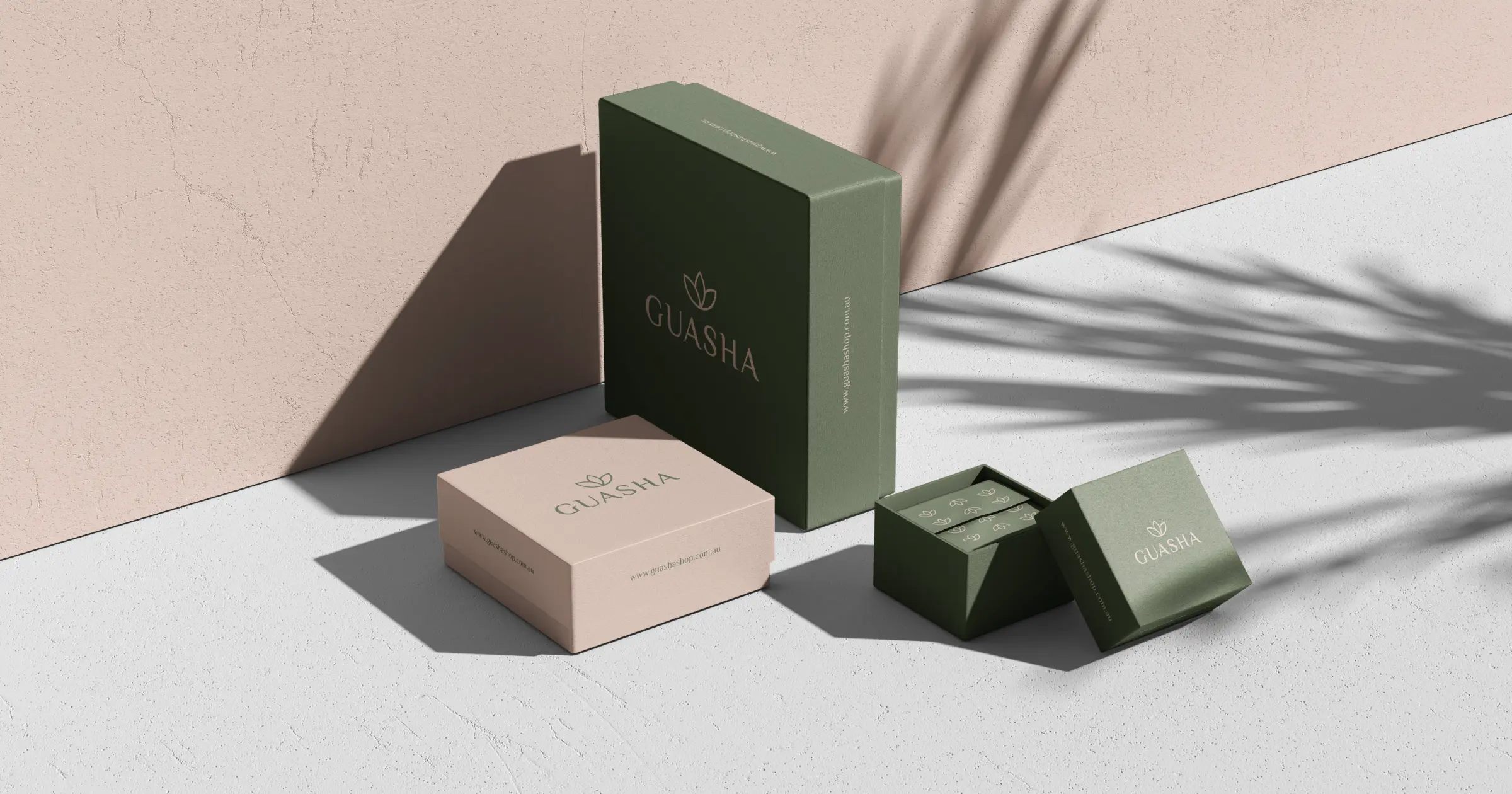
Eco-friendly design projects are rapidly transforming the packaging landscape. With growing environmental concerns, brands are seeking sustainable solutions that reduce waste and carbon footprint. Designers are now tasked with creating packaging that not only looks appealing but also aligns with green values.
Innovative materials such as biodegradable plastics, mushroom-based packaging, and recycled fibres are at the forefront of these design projects. Companies like Unilever and IKEA have pioneered initiatives by introducing compostable and reusable packaging, demonstrating the business value of sustainable design projects.
A key component of these design projects is lifecycle analysis, which evaluates environmental impact from sourcing to disposal. This holistic view is crucial as 67% of consumers now consider eco-friendly packaging important, according to Statista in 2024.
To integrate sustainability, designers should:
Material TypeBiodegradable?SourceExample UseMushroom PackagingYesAgricultural WasteElectronicsRecycled Fibre BoardYesPaper/CardboardFood ContainersPLA BioplasticsYesCorn StarchBeverage Cups
Balancing sustainability with functionality is possible. Use design projects as a testing ground for new materials and production methods. Explore online libraries and supplier directories to discover the latest in sustainable packaging materials.
2. Immersive Augmented Reality (AR) Experiences
Immersive AR design projects are reshaping how users interact with products and spaces. In 2026, AR is central to retail, education, and entertainment, offering unique opportunities for designers to create engaging, interactive experiences.
Platforms like Spark AR and Adobe Aero enable designers to build AR content without deep coding knowledge. Brands such as Nike and Sephora have run successful AR campaigns, allowing customers to virtually try products or explore immersive brand stories. These design projects increase engagement, foster emotional connection, and drive sales.
The AR market is set to reach $97.8B by 2026, highlighting the vast potential for design projects in this field. However, challenges include ensuring device compatibility, managing content creation costs, and making experiences accessible to all users.
Key tips for successful AR design projects:
# Example: Basic AR object placement (pseudo-code)
if device.camera.is_active():
    ar_scene.add(model='chair', position=detected_surface)
Integrating AR into both digital and physical environments can set your design projects apart. For more on the principles guiding effective AR design, see Visual hierarchy in design explained.
3. Biophilic Interior Design Concepts
Biophilic design projects focus on reconnecting people with nature through interiors. This approach incorporates natural light, living plants, organic materials, and water features to enhance well-being in work and living spaces.
Research shows biophilic design projects can boost productivity by up to 15% (Human Spaces Report). Offices, hotels, and healthcare facilities are increasingly adopting these concepts, creating environments that improve mood and reduce stress.
Even small-scale design projects, like adding desk plants or using natural textures in a home office, can yield impressive results. Sustainability benefits include reduced energy consumption and improved indoor air quality.
Practical tips for biophilic design projects:
ElementBenefitExample ApplicationGreeneryAir purificationVertical gardensNatural LightCircadian rhythmSkylights, large windowsWater FeaturesStress reductionIndoor fountains, aquariums
Experimenting with biophilic design projects is a step towards healthier, more sustainable interiors.
4. AI-Driven Branding Systems
AI-driven branding design projects are revolutionising how brands are created and managed. AI tools like Looka, Tailor Brands, and Adobe Sensei automate logo generation, develop dynamic brand guidelines, and adapt assets in real time.
These design projects enable rapid branding for startups and small businesses, offering speed, personalisation, and data-driven insights. For example, a company can use AI to instantly create a suite of logo variations, select colour schemes based on consumer psychology, and auto-adjust designs for different media.
However, there are risks. Over-reliance on AI in design projects can lead to homogenised outcomes and loss of unique brand character. Ethical considerations, such as bias in algorithms, must also be addressed.
Tips for effective AI-driven design projects:
PlatformFeatureBest Use CaseLookaAutomated logo designQuick brand launchesTailor BrandsBrand kit generationSMEs, freelancersAdobe SenseiAsset adaptationLarge campaigns
AI-driven design projects can streamline branding, but the human touch remains vital for authenticity.
5. Modular Furniture Design for Flexible Spaces
Modular furniture design projects have gained traction due to shifting work patterns and the need for adaptable spaces. These projects focus on creating furniture that can be easily reconfigured, transported, and customised to suit changing needs.
Materials play a critical role in modular design projects. Sustainable woods, lightweight metals, and recycled plastics are popular choices. Brands like IKEA’s RÅVAROR and Ori Living, along with Australian designers, are leading the way with flexible, space-saving solutions.
The modular furniture market is projected to grow at a 5.6% CAGR through 2026. These design projects offer benefits including efficient space utilisation, adaptability for hybrid work, and reduced waste.
Considerations for modular furniture design projects:
SystemKey FeatureTarget SpaceRÅVARORStackable, mobileSmall apartmentsOri LivingAutomated movementOffices, studiosCustom AussieLocally sourcedCustom homes
Modular design projects empower users to personalise their environments without permanent changes.
6. Interactive Data Visualisation Projects
Interactive data visualisation design projects transform complex data into clear, engaging visuals. These projects use tools like Tableau, Flourish, D3.js, and Figma plugins to create dashboards, infographics, and live charts.
Design projects in this area are vital for industries ranging from healthcare to finance. For example, COVID-19 dashboards and climate change visualisations have made critical data accessible to the public and decision-makers.
Visual storytelling is key. Since 90% of information transmitted to the brain is visual (MIT), well-designed projects can significantly improve comprehension and engagement.
Challenges in data visualisation design projects include ensuring accessibility, maintaining data accuracy, and designing for multiple platforms. Tips for success:
// Example: Responsive chart setup (pseudo-code)
if (window.innerWidth < 600) {
  chart.layout = 'vertical';
} else {
  chart.layout = 'horizontal';
}
Design projects that communicate data effectively can influence decisions and drive action.
7. Circular Product Design Initiatives
Circular product design projects focus on creating products that can be reused, repaired, or recycled, minimising waste and supporting a circular economy. These initiatives are built on principles like design for disassembly, material transparency, and closed-loop systems.
Brands such as Patagonia and Fairphone have pioneered circular design projects, offering repairable products and take-back programs. The economic potential is significant, with the circular economy projected to generate $4.5 trillion in benefits by 2030 (Accenture).
Key steps in circular design projects:
BrandInitiativeCircular FeaturePatagoniaWorn WearGarment repair/reuseFairphoneModular smartphoneReplaceable parts
Challenges include supply chain complexities and the need for consumer education. However, circular design projects can unlock new business models and long-term value.
8. Voice-Activated User Interface Design
Voice-activated UI design projects are expanding accessibility and convenience for users. Platforms like Amazon Alexa, Google Assistant, and Apple Siri are now integral to smart homes, vehicles, and healthcare.
Key principles for these design projects include conversational design, context awareness, and robust error handling. For example, a well-designed voice UI lets users control home lighting or access medical information hands-free, improving inclusivity.
By 2024, there will be 8.4 billion digital voice assistants in use (Statista), highlighting the growing scope for voice UI design projects. Accessibility is a major benefit, especially for users with disabilities.
Tips for prototyping voice UI design projects:
{
  "intent": "TurnOnLights",
  "response": "The lights are now on."
}
Voice UI design projects are shaping the future of interaction, making technology more human-centric.
9. Hyper-Personalised Digital Marketing Assets
Hyper-personalised digital marketing design projects use data and automation to create assets tailored to individual users. Tools like Adobe Creative Cloud, Canva’s Magic Write, and Mailchimp’s personalisation features enable the creation of dynamic emails, landing pages, and ads.
These design projects drive higher engagement and loyalty. Personalised emails, for example, deliver six times higher transaction rates (Experian). Dynamic website content and tailored social ads further boost conversion rates.
However, challenges in these design projects include managing data privacy, balancing automation with creativity, and avoiding user fatigue.
Tips for hyper-personalised design projects:
ToolFeatureUse CaseAdobe CreativeDynamic asset creationMulti-channel campaignsCanva Magic WriteAI copy generationPersonalised visualsMailchimpContent personalisationTargeted email marketing
Hyper-personalised design projects are essential for cutting through digital noise and building meaningful customer relationships.
How to Select the Right Design Project for You
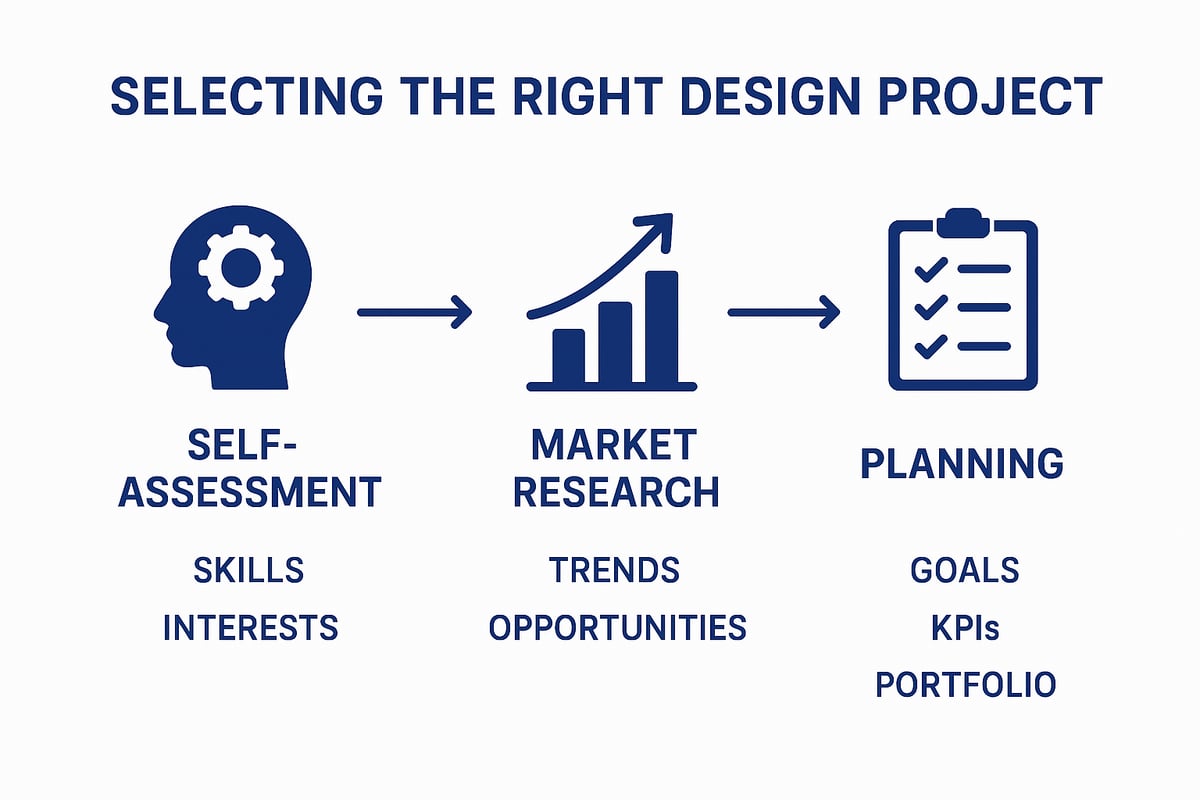
Choosing the right design projects can set the stage for a rewarding and impactful career. With so many options available, a strategic approach ensures your time and energy are invested where they matter most.
Assessing Your Skills and Interests
Start by evaluating your strengths, passions, and areas for growth. Selecting design projects that align with your unique skillset helps you stay motivated and produce your best work. Use self-assessment tools, such as skill mapping charts or portfolio reviews, to identify what excites you most.
Ask yourself:
Aligning your choices with personal interests and career goals makes every project a step toward professional fulfilment. For more guidance and inspiration, browse the Category: Design articles and guides to see real-world examples and expert advice.
Evaluating Market Demand and Opportunities
Next, research the current and emerging trends shaping the demand for design projects in your industry. Analysing client needs, job postings, and innovative technologies can reveal where new opportunities are growing. Attending industry events, networking with peers, and reviewing resources like the Top 20 Graphic Design Trends For 2026 will help you spot untapped markets.
Consider:
Staying informed on market shifts ensures your portfolio stays relevant and competitive.
Planning for Success and Measuring Impact
Strategic planning is essential to maximise the benefits of your design projects. Set clear objectives and timelines for each project. Define key performance indicators (KPIs) such as user engagement, client satisfaction, or sustainability outcomes. Document feedback and iterate your solutions for continuous improvement.
Practical tips:
Showcasing your achievements from design projects not only demonstrates your skills but also attracts future opportunities. Explore more inspiration and resources in the Category: Design articles and guides.
Resources and Tools for Innovative Design Projects
To excel in design projects for 2026, the right resources are essential. Staying ahead means leveraging the latest platforms, creative communities, and trend insights for ongoing growth.

Top resources for 2026:
Continuous learning keeps your design projects fresh. Regularly review portfolios and seek feedback to stay at the forefront of the industry.
Now that you’ve explored these nine innovative design projects for 2026, you might be inspired to level up your own creative journey. Whether you want to refresh your brand, experiment with cutting edge web design, or bring fresh digital experiences to life, it’s all about taking that first step. With over a decade of experience, I specialise in helping businesses and creatives like you turn bold ideas into measurable results. If you’re ready to make your next project stand out and drive real growth, Start your project and let’s shape the future of design together.