Table Of Contents
In 2026, the path to real estate success starts with a powerful brand. Are you prepared to stand out or risk blending in with the crowd?
This article uncovers seven proven methods for mastering branding in real estate. Discover how to use digital innovation, build trust, and create memorable experiences that make your brand impossible to ignore.
You will learn how to leverage data, refine your approach, and secure long-term recognition and loyalty. Ready to future-proof your business? Start building a brand that commands attention in a competitive market.
The Importance of Branding in Real Estate
In 2026, branding in real estate is more than a logo or catchy slogan. It is a cornerstone of lasting business success, influencing how clients perceive, trust, and engage with your agency or personal practice.
Why Branding Matters in 2026
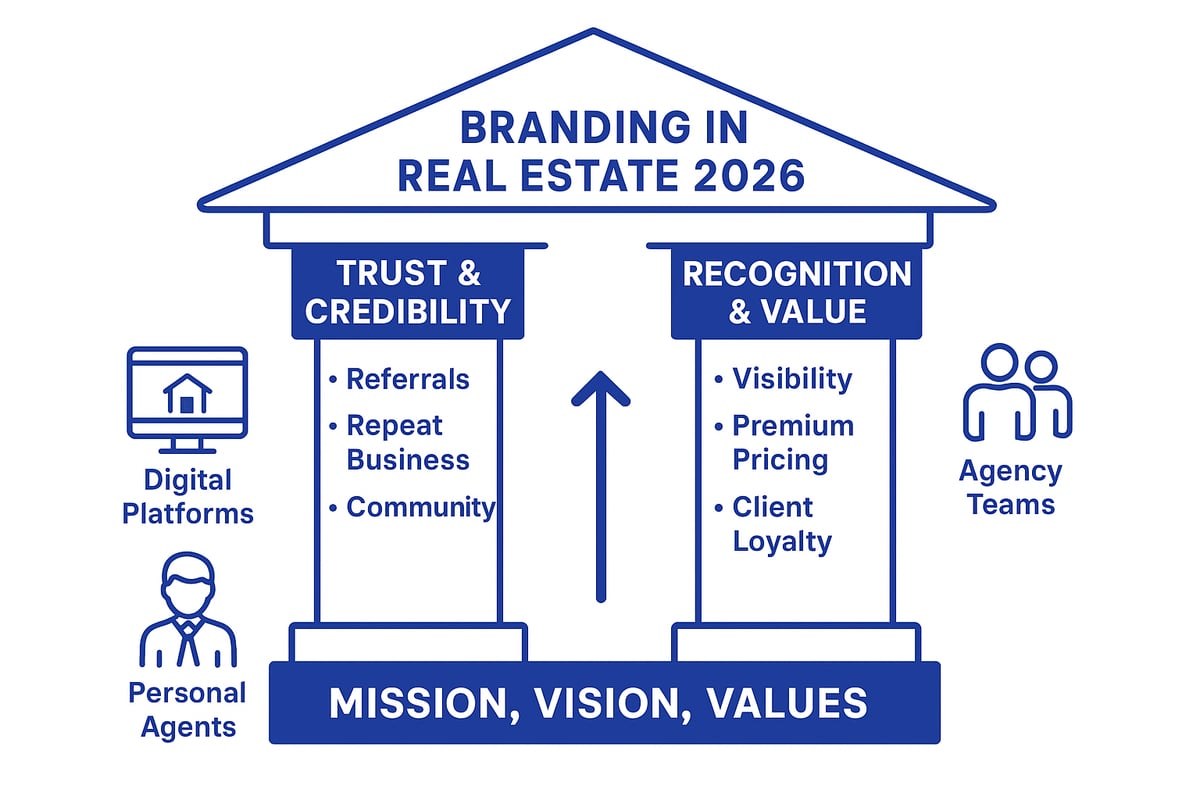
Branding in real estate builds the trust and credibility that drive referrals and repeat business. In a crowded market, a distinctive brand ensures buyers and sellers remember your name when it matters most. Digital-first impressions are now the norm, so your online identity often speaks for you before you meet a client. Consistency across platforms transforms your brand into a local staple, fostering recognition and connection.
A strong approach to branding in real estate also supports higher perceived value, letting you command premium pricing and attract top-tier clients. Agencies with a cohesive brand identity are three times more likely to be top-of-mind for homeowners, according to Rex Software. This advantage extends to business growth, enabling you to scale teams or offices with confidence.
Importantly, branding in real estate is not just about business—it is about building relationships. When your brand feels authentic and community-focused, clients are more likely to return and refer. For further insights on how branding can foster trust and community in real estate, see Building a Community with Your Brand.
In 2026, your brand's digital footprint is often the first impression, so make it count.
Business Brand vs Personal Brand
Understanding the nuances between business and personal branding in real estate is vital for long-term success. A business brand revolves around your agency’s mission, core values, and reputation. This approach is ideal if you aim for scalability, team expansion, or broader market recognition. It ensures every client touchpoint aligns with a unified message and professional standard.
On the other hand, personal branding in real estate highlights your unique personality, expertise, and client relationships. Independent agents often thrive by building deep trust and rapport, creating memorable experiences that set them apart. A hybrid strategy can offer the best of both worlds, letting individual agents shine within a respected agency framework.
For example, major franchises like Ray White invest heavily in business brand consistency, while boutique agents grow their practice by showcasing personal strengths. Choosing where to focus your branding in real estate depends on your goals, target demographic, and vision for the future.
Ultimately, a thoughtful approach to branding in real estate supports both business growth and personal development. Whether you prioritise company-wide reputation or personal touch, clarity in your brand message will build lasting loyalty.
Key Elements of a Successful Real Estate Brand Strategy
A successful approach to branding in real estate starts with two essential pillars: your core mission and your visual identity. These elements work together to create a brand that resonates, builds trust, and stands out in a crowded market.

Defining Your Mission, Vision, and Values
At the core of branding in real estate lies a clear mission, vision, and set of values. These define who you are, what you stand for, and why clients should choose you over the competition.
Start by articulating what makes you unique. Is it your deep local expertise, superior negotiation skills, or commitment to community involvement? These differentiators should be woven into every aspect of your communication, from website copy to listing presentations.
When these elements are clearly defined and consistently communicated, they form the backbone of your brand identity. Agencies that lead with their values experience a 23% higher client retention rate, according to Luxury Presence. This shows the tangible business impact of thoughtful branding in real estate.
Authentic storytelling is a powerful way to embed your mission and values into your brand. Share real-life examples that highlight your commitment and build emotional connections. This not only fosters loyalty but also encourages referrals from clients who trust your approach.
Visual Identity and Brand Consistency
A strong visual identity is equally vital in branding in real estate. Professional logos, a distinctive colour palette, and consistent typography help your business become instantly recognisable. These visual cues signal professionalism and reliability to every potential client.
Brand consistency across all channels—websites, social media, and print—reinforces your message and boosts credibility. Developing a comprehensive brand book ensures your team maintains these standards as your business grows.
Regularly updating your branding assets keeps your look fresh and relevant, helping you stay competitive in an evolving market. Brands with consistent visual identity are 3.5 times more likely to be perceived as high-quality by clients.
Mastering the principles of visual hierarchy is also crucial. For a deeper dive into how effective design can elevate your brand, explore this guide to Visual Hierarchy in Design.
Combining a well-defined mission with a cohesive visual identity forms the foundation of branding in real estate. This strategic approach ensures long-term recognition, client trust, and sustainable growth.
7 Powerful Ways to Master Branding in Real Estate in 2026
In the rapidly evolving property market, mastering branding in real estate is essential for standing out and achieving long-term success. The following seven strategies provide actionable steps for building a memorable, future-proof brand that resonates with clients and adapts to emerging industry trends.
1. Leverage AI and Data-Driven Insights for Personalised Branding
Artificial intelligence is transforming branding in real estate by making personalisation more accessible and impactful. Agencies are now using AI tools to analyse client behaviour, preferences, and market trends, enabling them to deliver tailored marketing that speaks directly to each audience segment.
By deploying predictive analytics, you can identify high-intent buyers and sellers before they even make contact. This proactive approach means your branding in real estate is seen by the right people at the right time, resulting in higher engagement and greater conversion rates.
AI-driven content creation ensures your brand voice remains consistent and professional across all digital platforms. Whether drafting property descriptions or managing email campaigns, AI tools streamline messaging and maintain your unique style.
For example, agencies leveraging AI for personalisation report up to 35 percent higher engagement rates. Implementing AI chatbots provides 24/7 branded client interactions, boosting responsiveness and professionalism even outside business hours.
It is vital to regularly review analytics to refine your messaging and optimise ad spend. Staying ahead of the curve means adopting new AI features as they become available in real estate marketing platforms. Reports show that over half of agents are already using AI for content creation and administrative tasks, making it a competitive necessity. For a deeper dive into industry adoption, see AI adoption in real estate.
In summary, integrating AI and data-driven insights positions your branding in real estate as innovative, responsive, and client-focused. This not only builds trust but also establishes your agency as a forward-thinking leader in the industry.
2. Build a Compelling Digital Presence with Dynamic, User-Focused Websites
Your website is the digital face of your business and a core element of branding in real estate. A high-performing website should not only look professional but also deliver genuine value to visitors. Dynamic content, such as property searches and real-time market updates, keeps users engaged and encourages repeat visits.
Mobile optimisation is non-negotiable in 2026. Most property searches now begin on smartphones, so ensure your site loads quickly, is accessible, and performs flawlessly across devices. The integration of lead nurture tools, chat features, and interactive elements further enhances the user experience, making it easier to capture and convert leads.
Incorporate testimonials, case studies, and evidence of community involvement to build trust and credibility. These elements help your branding in real estate stand out as both authentic and authoritative. Regularly update your site’s design and content to reflect current trends and maintain competitiveness.
Websites featuring dynamic, user-focused features have been shown to double lead conversion rates. To see how these trends are shaping the future, explore Real estate marketing trends 2026.
A strong digital presence ensures your branding in real estate is always visible, accessible, and memorable, setting the foundation for lasting client relationships in a tech-driven marketplace.
3. Create High-Impact Social Media Strategies that Reflect Your Brand Personality
Social media is a powerful platform for amplifying branding in real estate and engaging with your target audience. Developing a consistent posting schedule across channels like Instagram, Facebook, LinkedIn, and TikTok keeps your brand top of mind.
Share a diverse mix of content, including property listings, market insights, educational videos, and behind-the-scenes stories. This approach humanises your brand and fosters deeper connections with followers. Video marketing, such as virtual tours and client testimonials, provides an authentic glimpse into your expertise and the value you offer.
Engagement is key. Use polls, Q and As, and interactive content to encourage participation and build community. Collaborating with local influencers or business partners can further expand your reach and reinforce your branding in real estate.
Monitor analytics closely to identify which content performs best. Use these insights to fine-tune your strategy and maximise your online impact. Agents with active, branded social media profiles experience up to 60 percent more inbound inquiries, demonstrating the tangible value of a well-executed social media plan.
Ultimately, social media allows you to showcase your unique voice, share your successes, and address client questions in real time. Consistent, high-impact strategies ensure your branding in real estate remains visible and influential in a crowded digital landscape.
4. Develop Professional Branding Materials for Cohesive Offline and Online Presence
While digital channels are crucial, offline branding in real estate still plays a vital role in building credibility and recognition. Invest in high-quality logos, business cards, signage, and marketing collateral that reflect your brand’s identity.
Ensure all materials adhere to your brand guidelines for colours, fonts, and tone of voice. Consistency across every touchpoint reinforces your professionalism and helps clients remember your agency. Use branded templates for proposals, presentations, and email signatures, creating a seamless experience whether online or in person.
Extend your branding in real estate to open house events, local sponsorships, and community initiatives. These opportunities allow you to showcase your brand values and commitment to the area you serve.
Consider developing a branded mobile app for clients, offering a streamlined experience for property searches, appointments, and ongoing engagement. Agencies with cohesive branding materials are significantly more likely to receive referrals, highlighting the importance of a unified image.
Professional branding materials provide a tangible representation of your agency’s quality and reliability. By maintaining consistency and attention to detail, you ensure your branding in real estate leaves a lasting impression on clients and prospects alike.
5. Implement Multi-Touchpoint Campaigns and Retargeting for Brand Recall
Maximising visibility is essential for effective branding in real estate. Multi-touchpoint campaigns ensure your brand is encountered frequently and across various platforms, increasing the likelihood of recall when clients are ready to act.
Apply the “Rule of 10 plus” by orchestrating campaigns that reach prospects multiple times through email, social media, digital ads, and direct mail. Tailor your messaging for each stage of the buyer or seller journey, from initial awareness to post-sale follow-up.
Retargeting is a powerful tool for keeping your branding in real estate top of mind. By re-engaging website visitors and social media engagers, you significantly boost conversion rates. Retargeted audiences are up to 70 percent more likely to convert, making this a high-ROI tactic.
Offer downloadable resources, quizzes, or local market updates to encourage interaction and provide ongoing value. Regularly refresh your ad creatives to avoid fatigue and maintain relevance in a fast-paced market. For more on current campaign strategies, review Real estate marketing trends 2026.
Here is a simple table summarising key touchpoints:
ChannelPurposeExampleEmailNurture leadsNewslettersSocial MediaBuild awarenessListing postsDigital AdsRetarget prospectsDisplay/banner adsDirect MailLocal engagementPostcards, flyers
Measuring campaign effectiveness and adapting based on real-time data ensures your branding in real estate remains fresh, relevant, and highly visible.
6. Position Yourself as a Thought Leader with Educational Content and Community Involvement
Establishing authority is a cornerstone of branding in real estate. By sharing expert insights, market reports, and educational resources, you position yourself as a trusted advisor rather than just another agent.
Publish regular blog posts, insightful commentary, and case studies that address common client questions and highlight your expertise. Host webinars, workshops, or local events to connect with your audience and offer added value.
Share client success stories and testimonials as social proof, reinforcing your reputation for delivering results. Thought leaders in branding in real estate attract significantly more qualified leads, as clients naturally gravitate towards knowledgeable professionals.
Collaborate with industry partners and local influencers to broaden your impact and gain exposure to new audiences. Launching a podcast or video series can further deepen engagement and showcase your unique perspective.
Encourage client reviews and referrals by maintaining transparency and delivering exceptional service. Educational content and community involvement not only build trust but also ensure your branding in real estate is synonymous with value, expertise, and leadership.
7. Be Authentic and Consistent to Build Trust and Lasting Relationships
Authenticity is the foundation of trust in branding in real estate. Clients want to work with agents and agencies who are genuine, transparent, and committed to their best interests.
Showcase your true personality, values, and approach in every communication. Consistency in tone, messaging, and visual identity builds recognisability and reassures clients that they can rely on your brand.
Address industry stereotypes by being open and client-focused. Use storytelling to connect emotionally, sharing real experiences that set you apart from competitors. Brands that prioritise authenticity see significantly higher client loyalty and repeat business.
Encourage your team to align with brand values, creating a unified client experience at every touchpoint. As your business grows, adapt your branding in real estate to reflect new goals and market conditions, but always stay true to your core identity.
Authentic, consistent branding in real estate not only differentiates you in a crowded marketplace but also fosters lasting relationships that drive referrals and long-term success.
Measuring and Refining Your Real Estate Brand in 2026
In 2026, the difference between a thriving agency and an average one often comes down to how you measure and refine your branding in real estate. Tracking performance is not just a best practice, it is essential for staying relevant and competitive in a rapidly evolving market.

Tracking Brand Performance and ROI
To maximise the impact of your branding in real estate, start by setting clear performance goals. Use analytics tools like Google Analytics, Meta Business Suite, and LinkedIn Analytics to monitor how your brand is engaging your audience across digital channels.
Focus on key metrics such as website traffic, growth of your social media platforms, ad conversion rates, and direct client feedback. These indicators reveal how well your branding in real estate is resonating and where you might need to adjust your approach.
Conduct regular brand audits to ensure your messaging, visual identity, and client experience remain consistent across every touchpoint. Inconsistencies can dilute the strength of your branding in real estate and confuse potential clients. A structured audit checks everything from your website’s look and feel to the tone of your social media posts, ensuring your brand remains cohesive and memorable.
Client surveys and testimonials provide valuable insights into how your branding in real estate is perceived in the market. Ask clients for honest feedback about their experience, your communication style, and what made you stand out. This information helps you identify what is working and what needs improvement.
Agencies that consistently measure their branding efforts refine their strategies twice as fast and see higher returns on investment, according to Luxury Presence. By leveraging this data, you can update your messaging, refresh your visual identity, or even adjust your service offerings to better align with market expectations. For actionable steps on strengthening your brand’s uniqueness, refer to How to Create a Unique Brand.
Stay agile and responsive. The real estate market is dynamic, and so are client expectations. Regularly reviewing your branding in real estate ensures you remain a step ahead, adapting quickly to industry shifts and maintaining long-term client loyalty.
You’ve seen how strategic branding sets you apart in the ever-evolving real estate landscape, especially as we head into 2026. If you’re ready to put these powerful ideas into practice and build a brand that truly resonates with your market, I’m here to help. Together, we can craft a tailored strategy that leverages digital innovation, cohesive design, and authentic storytelling—so your business not only stands out, but thrives. Let’s take the next step and turn your vision into reality. Start your project