Table Of Contents
In 2026, the online world is more crowded than ever, making it challenging for businesses to get noticed.
A great-looking website or basic optimisation is no longer enough. Without a strategic approach, you risk being invisible in search results.
The real growth comes from the synergy between cutting-edge web design and seo marketing, which can help you climb search rankings and get more from your digital investments.
This guide will reveal proven tactics and future-focused frameworks to build websites that attract, engage, and convert visitors.
Explore the essential pillars, latest trends, and expert strategies you need for web design and seo marketing success in 2026.
The Evolving Relationship Between Web Design and SEO in 2026
The relationship between web design and seo marketing is evolving rapidly in 2026. Businesses can no longer treat these disciplines as separate efforts. To stay visible and competitive, you must understand how design and SEO now work hand in hand to deliver outstanding digital results.

The Shift Toward User-First Design
Google’s algorithm updates in 2026 place user experience at the heart of web design and seo marketing. Core Web Vitals, engagement metrics, and real-world usability are now key ranking factors. This shift means your website must load quickly, respond to all device types, and cater to every user, regardless of ability.
Accessibility and inclusivity are no longer optional. Features such as high colour contrast, keyboard navigation, and ARIA roles are essential for compliance and reach. Responsive design ensures a seamless experience on mobiles, tablets, and desktops, supporting longer session durations and higher conversions.
Consider this: sites optimised for UX have seen session durations increase by up to 50 percent, highlighting the direct impact on dwell time and bounce rates. Mobile-first indexing further reinforces the need for device-agnostic layouts. In 2026, the foundation of strong web design and seo marketing lies in putting users first at every stage.
SEO as an Integrated Design Principle
In 2026, web design and seo marketing have become inseparable from the earliest stages of any project. SEO is no longer an afterthought or a bolt-on service. Instead, it is embedded in the design process itself, shaping site architecture, navigation, and content structure for both users and search engines.
A well-planned site structure, logical navigation, and strategic internal linking not only improve user journeys but also enhance crawlability and indexation. Schema markup, structured data, and semantic HTML help search engines better understand your website, increasing the chances of rich results and higher rankings.
Design decisions can make or break SEO performance. Cluttered layouts, inaccessible menus, or missing metadata can undermine even the best content. For a deeper dive into how these elements work together, explore SEO and web design integration, which offers practical insights for bridging the gap between design and optimisation.
Data-Driven Decision Making
Web design and seo marketing in 2026 rely on data at every step. Analytics platforms and heatmaps reveal how users interact with your site, guiding you to improve layouts, calls to action, and content placement.
A/B testing is now standard practice, helping you refine every element for maximum impact. From button colours to headline placement, small tweaks can yield big results. AI-driven personalisation is also changing the game. These systems analyse behaviour in real time and adapt content or design to individual users, boosting engagement and conversions.
By using data to inform every decision, you ensure your web design and seo marketing efforts are always aligned with user needs and evolving best practices. The result is a website that not only looks great but also performs at the highest level.
Core Elements of High-Performing Websites in 2026
Building a high-performing website in 2026 means excelling across several foundational pillars. From speed and technical excellence to inclusive design and trust, each element impacts your visibility, user engagement, and conversion rates. Let us break down the essential components every business should prioritise for web design and seo marketing success.

Speed, Performance, and Technical SEO
Website speed and technical optimisation are non-negotiable for web design and seo marketing in 2026. Google’s Core Web Vitals continue to influence rankings, making fast load times and smooth performance essential. Every extra second of load time can cost you up to 40% of potential conversions, highlighting the need for streamlined code, advanced caching, and compressed media.
Implementing techniques like lazy loading, image optimisation, and using lightweight frameworks ensures your site remains responsive. Clean, semantic code not only boosts speed but also improves crawlability for search engines. For actionable strategies to enhance your site’s performance, see these How to improve website speed tips. Prioritising technical SEO from the outset sets a solid foundation for your web design and seo marketing efforts.
Mobile-First and Cross-Device Consistency
Mobile browsing dominates the digital landscape, making mobile-first design a cornerstone of web design and seo marketing. Responsive layouts, adaptive images, and touch-friendly navigation are no longer optional. Consistency across devices ensures users receive the same high-quality experience whether they are on a smartphone, tablet, or desktop.
Best practices include flexible grids, scalable vector graphics, and fluid typography. Verify that branding and UX elements are uniform across all platforms. This approach not only enhances usability but also aligns with Google’s mobile-first indexing, directly impacting your web design and seo marketing outcomes.
Accessibility and Inclusivity
Web accessibility is both a ranking factor and a legal requirement in 2026. High-performing sites adhere to WCAG 2.2 standards, ensuring everyone can access content regardless of ability. Prioritise features like sufficient colour contrast, keyboard navigation, and ARIA roles to make your site usable for all.
Testing tools can help identify barriers and guide improvements. Inclusive web design and seo marketing foster trust and expand your audience reach. Real-world examples show that accessible websites consistently outperform those that neglect these principles.
Content Structure and Readability
Clarity and organisation are vital for effective web design and seo marketing. Use clear headings, concise paragraphs, and bullet points to break up content. This structure aids both users and search engines in finding key information quickly.
Incorporate multimedia elements such as videos and infographics to boost engagement and dwell time. Internal linking strategies guide visitors through the buyer journey while strengthening your site’s SEO. Well-structured content is the backbone of any successful web design and seo marketing strategy.
Secure and Trustworthy Experiences
Security and trust are inseparable from high-performing web design and seo marketing. HTTPS is the baseline for protecting user data and maintaining rankings. Implement transparent privacy policies, manage cookies responsibly, and highlight trust signals like testimonials and certifications.
A secure site reassures visitors and search engines alike. Demonstrating credibility with visible partnerships and compliance badges further strengthens your reputation. By prioritising security, you create a trustworthy environment that supports long-term web design and seo marketing growth.
Step-by-Step Guide: Building a Web Design and SEO Strategy for 2026
Navigating the world of web design and seo marketing in 2026 requires a clear, systematic approach. Each stage in your process should focus on aligning business goals with cutting-edge digital practices. By following these six essential steps, you can create a website that not only looks great but also performs exceptionally in search rankings and user engagement.

Step 1: Research and Strategy Development
The foundation of effective web design and seo marketing is thorough research and a data-driven strategy. Begin by analysing your competitors, identifying gaps in their digital presence, and benchmarking against industry leaders.
Use AI-powered keyword research tools to uncover high-impact search terms relevant to your business. Develop detailed customer personas to guide both your design and content choices. Map out the buyer’s journey to identify critical touchpoints.
Set measurable objectives for your web design and seo marketing efforts, such as increasing organic traffic, boosting lead conversions, or improving engagement rates. For further insights on aligning design with marketing objectives, refer to Website design and marketing tips.
Break down your goals into actionable KPIs. Regularly revisit your strategy to adapt to changing algorithms and user behaviours.
Step 2: Site Architecture and Planning
A robust site structure is essential for successful web design and seo marketing. Start by organising your content into logical silos, topic clusters, and pillar pages. This approach helps both users and search engines navigate your site efficiently.
Design intuitive navigation menus and clear information hierarchies. Ensure your site is scalable, so future content or service additions will not disrupt user flow or SEO.
Plan for internal linking from the outset, making it easier for visitors to discover related content. Incorporate breadcrumb trails and structured URLs to enhance usability and crawlability.
Use wireframes and sitemaps to visualise your website’s layout before development begins. This step is critical for avoiding costly redesigns and ensuring a seamless user experience.
Step 3: Design and Development Integration
Collaboration is key in web design and seo marketing. Engage designers, developers, and SEO specialists from the very start of the project. Establish a unified vision and open lines of communication.
Prototype your website with SEO best practices in mind. Use modular design systems and reusable components to maintain consistency and flexibility. All interactive elements, such as buttons, forms, and calls-to-action, should be accessible to both users and search engines.
Ensure your codebase is clean and semantic. This not only supports SEO but also improves site performance. Validate that all visual and functional elements are indexable, so nothing important is hidden from search engines.
Regular cross-team reviews can help catch issues early and keep your project aligned with your goals.
Step 4: Content Creation and Optimisation
High-quality, optimised content is a core pillar of web design and seo marketing. Develop content that addresses each stage of your buyer’s journey, from awareness to decision.
Integrate primary and secondary keywords naturally within your copy. Use descriptive headings, bullet points, and short paragraphs for both readability and SEO. Enhance your content with multimedia elements like videos and infographics to boost engagement.
Implement schema markup to increase your visibility in search results, enabling features like rich snippets and FAQs. Internal linking should guide users to related resources, supporting both SEO and user journeys.
Review and update your content regularly to keep it fresh and relevant.
Step 5: Technical SEO and Launch
Before launching your site, conduct a comprehensive technical audit. Check for crawlability, indexing issues, mobile-friendliness, and site speed. Use tools to identify broken links, duplicate content, and other common pitfalls.
Implement XML sitemaps and robots.txt to guide search engines through your website. Use canonical tags to prevent duplicate content issues. Ensure your website is secured with HTTPS and optimised for Core Web Vitals.
After launch, monitor your site’s performance closely. Address any technical SEO issues promptly to maintain your rankings and user trust.
Step 6: Continuous Improvement and Analytics
Web design and seo marketing is an ongoing process. Set up Google Analytics 4, Search Console, and heatmap tools to track user behaviour and site performance.
Conduct regular A/B tests on key pages, forms, and CTAs to optimise for conversions. Use UX surveys to gather qualitative feedback from real users. Perform periodic SEO health checks to catch emerging issues early.
Iterate on your website based on analytics insights and evolving industry best practices. Benchmark your results against competitors to identify new growth opportunities.
Emerging Trends Shaping Web Design and SEO Marketing
Staying ahead in web design and seo marketing requires a keen eye on emerging trends. As technology evolves, businesses must adapt to new user behaviours, search technologies, and design standards to remain competitive. The following innovations are set to redefine the digital landscape in 2026.
AI, Automation, and Personalisation
Artificial intelligence is transforming web design and seo marketing by enabling real-time personalisation and smarter automation. AI-driven tools can analyse user behaviour, segment audiences, and tailor content to individual preferences, resulting in higher engagement and conversion rates.
Chatbots and predictive analytics make websites more responsive, while automated SEO audits and optimisation free up valuable time for strategy. According to AI-Powered Personalisation in Web Design, integrating AI allows brands to adapt their websites instantly, offering unique experiences for every visitor.
Personalised content recommendations have been shown to increase user engagement by up to 30 percent, making AI and automation essential components of web design and seo marketing in 2026.
Voice and Visual Search Optimisation
The rapid adoption of voice assistants and visual search tools is reshaping how users interact with websites. Optimising for conversational queries and image-based searches is now a critical part of web design and seo marketing strategy.
To succeed, websites should use structured data, natural language content, and descriptive alt text. This ensures content is discoverable across voice and visual search platforms. As more users rely on hands-free navigation, sites that embrace these technologies will see improved visibility and accessibility.
Voice and visual search are not just trends, but fundamental shifts in user behaviour that web design and seo marketing teams must prioritise.
Video, Interactivity, and Storytelling
Video content continues to dominate as a preferred medium for both users and search engines. Incorporating video into web design and seo marketing efforts increases dwell time, boosts rankings, and enhances user understanding of products or services.
Interactive features such as quizzes, calculators, and polls keep visitors engaged, encouraging them to explore more pages. Story-driven design helps brands differentiate themselves and create memorable experiences.
By blending video, interactive elements, and compelling storytelling, businesses can build stronger connections with their audience and elevate their web design and seo marketing results.
Sustainability and Ethical Design
As environmental concerns grow, sustainability has become a defining factor in web design and seo marketing. Lightweight, optimised websites reduce energy consumption and load faster, contributing to better user experiences and lower bounce rates.
Eco-friendly hosting, efficient coding, and minimalistic design all play a role in lowering a website's carbon footprint. Ethical design focuses on privacy-first practices and transparency, helping brands build trust.
Embracing sustainability and ethical UX is not only responsible, but can also become a unique selling point and ranking differentiator in the evolving landscape of web design and seo marketing.
Measuring Success: Analytics, KPIs, and ROI in 2026
In 2026, measuring the success of your web design and seo marketing efforts goes far beyond tracking a handful of numbers. To compete, you need to evaluate every touchpoint, understand user behaviour, and link performance back to business goals. This section explores the metrics, tools, and strategies that drive smarter decision making and long-term growth.
Defining and Tracking Key Metrics
Effective web design and seo marketing strategies begin with clear, actionable metrics. Core KPIs include organic traffic, conversion rate, bounce rate, time on site, and keyword rankings. Tracking these allows you to pinpoint what is working and where improvements are needed.
Advanced metrics such as engagement rate, scroll depth, and micro-conversions offer deeper insights into user behaviour. Dashboards and automated reports make it easier to monitor trends and spot anomalies quickly.
A sample KPI table for 2026:
| KPI | Description | Why It Matters |
|---|---|---|
| Organic Traffic | Visitors from unpaid search | Indicates SEO performance |
| Conversion Rate | % of visitors taking a key action | Measures business impact |
| Bounce Rate | % leaving after one page | Flags user experience issues |
| Time on Site | Average session duration | Reflects user engagement |
| Keyword Rankings | Position for target queries | Tracks visibility and growth |
For actionable guidance on improving engagement and conversions, see UX and marketing strategies.
Attribution and Multi-Touch Analysis
Understanding the customer journey is essential for web design and seo marketing success. Attribution models help you measure how different channels and site interactions contribute to sales or leads. Multi-touch analysis reveals the full path a user takes, from first click to final conversion, across devices and campaigns.
Modern analytics platforms allow you to assign value to each touchpoint, so you can optimise spend and focus on what delivers the best results. For example, multi-channel attribution can increase marketing ROI by 20 percent, as it uncovers hidden opportunities and eliminates guesswork.
By integrating attribution data with your KPIs, you gain a holistic view of performance and can make smarter investment decisions.
Leveraging Insights for Growth
Turning analytics into action is the final step for elevating your web design and seo marketing initiatives. Start by prioritising high-impact changes based on data, such as refining content, improving page speed, or updating site structure.
Regular benchmarking against industry standards and direct competitors ensures you stay ahead. Use split testing, UX surveys, and SEO health checks to validate improvements and keep evolving your strategy.
When you connect insights to business outcomes, you drive continuous improvement and position your website for sustainable growth.
Choosing the Right Partners for Web Design and SEO Success
Selecting the right partners for web design and seo marketing is crucial for long-term digital growth. The right agency brings strategy, technical expertise, and creativity, ensuring your website exceeds expectations.
What to Look for in a Web Design and SEO Agency
When evaluating agencies for web design and seo marketing, focus on proven experience and a track record of delivering measurable outcomes. Look for a portfolio that demonstrates before and after improvements in traffic, rankings, and conversions.
A strong agency integrates user-centric design from the beginning. According to the User Experience Market Analysis, the demand for user experience expertise continues to rise, highlighting its critical role in effective digital projects. Prioritise agencies that can show how their web design and seo marketing approach has improved user engagement and ROI.
Other essential qualities include:
- Transparent communication throughout the project
- Ongoing support and education for your team
- Familiarity with your industry or similar businesses
- Ability to adapt to evolving trends and technologies
The right partner will focus on aligning your website objectives with business growth.
Questions to Ask Potential Partners
Before committing, ask direct questions to assess an agency’s fit for your web design and seo marketing goals. Consider these key queries:
- How do you integrate SEO during the design process?
- What analytics and optimisation tools do you use?
- Can you share case studies or references from similar industries?
- How do you handle ongoing support, updates, and reporting?
- What is your process for adapting to algorithm or technology changes?
A reputable agency will explain their methodology, provide real examples, and outline how they measure and report on success. This transparency ensures you have confidence in their web design and seo marketing capabilities.
Requesting references and reviewing past projects will give you insight into their reliability, communication style, and results achieved. Ask about their approach to user experience, mobile optimisation, and accessibility as well.
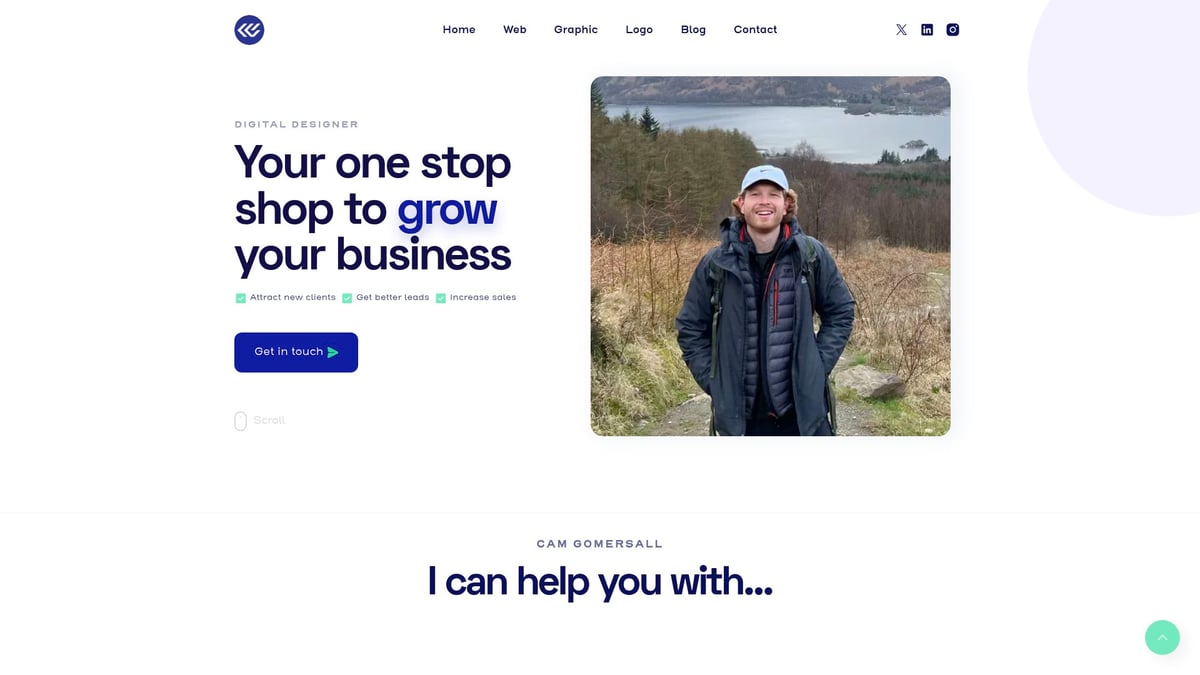
Cam Gomersall Design: Integrated Web Design and SEO Expertise
Cam Gomersall Design stands out for its holistic approach to web design and seo marketing, delivering end-to-end solutions tailored to Australian businesses. With over a decade of experience, the team specialises in high-performing websites built on Webflow, Framer, and Shopify.
Key strengths include:
- A focus on user experience, brand strategy, and lead generation from the outset
- An impressive portfolio featuring clients such as Flinders University and Klein Tools Australia
- A personalised, client-centric process that ensures each project is unique and results-driven
Cam Gomersall Design offers transparent communication, clear reporting, and ongoing support, making them a trusted choice for businesses aiming to maximise digital ROI. Book a free consultation to explore how their expertise in web design and seo marketing can help you achieve your 2026 goals.
As you’ve seen throughout this guide, combining future-focused web design with smart SEO strategies is the key to standing out and driving real growth in 2026. If you’re ready to put these insights into action and transform your online presence, I’m here to help. With more than a decade of experience helping businesses build high-performing, user-first websites, I understand what it takes to boost your visibility and maximise ROI. Let’s talk about your goals and how we can set your brand up for digital success—Book a call today.