Table Of Contents
In 2026, your logo for my company is more than just a graphic—it is your brand’s first impression in a crowded digital world. With competition and distractions at an all-time high, a memorable logo for my company is essential to stand out and build trust.
This guide reveals why a future-ready logo for my company is a strategic investment, not just a creative touch. You will discover the latest trends, proven steps, and expert insights to ensure your logo for my company is both timeless and effective.
Ready to make your mark? Let us show you how to create a logo for my company that leads your business into tomorrow.
Why Your Logo Matters in 2026
In 2026, your logo is far more than a simple graphic. It is the face of your business, the anchor of your brand, and the first impression you make in a crowded digital world. For anyone considering a new logo for my company, understanding the evolving importance and impact of your logo is essential for long-term success.

The Evolving Role of Logos in Branding
A logo for my company is now the centrepiece of brand identity. As more businesses shift to digital-first strategies, the logo becomes the primary way customers recognise and remember your brand. Research shows that visual elements are processed by the brain in just 13 milliseconds, making that first impression critical.
Leading brands like Apple and Airbnb have built strong emotional connections through memorable logos. Even local Australian brands are leveraging their logos to foster recognition and loyalty. The right logo for my company can spark instant recall and leave a lasting impression, which is crucial in our fast-paced digital era.
Impact on Customer Trust and Perception
A logo for my company does more than identify; it builds trust. Recent branding studies highlight that 75 percent of consumers judge a business’s credibility by its logo. The psychology behind colour and shape plays a significant role, subtly influencing how customers feel about your brand from the outset.
For example, a small Australian business recently rebranded, focusing on a cleaner, more modern logo. The result was a measurable increase in customer trust and engagement. Choosing the right logo for my company is a strategic investment in credibility and long-term loyalty.
Logos in the Omnichannel Era
Today, a logo for my company must perform across a growing number of touchpoints. Consistency is key as brand interactions now happen on websites, mobile apps, social channels, and in print. Data shows that over 60 percent of these interactions occur online, so your logo must adapt to various formats without losing its impact.
Responsive logo design ensures your identity remains strong, whether on a business card or a smartphone screen. By prioritising a versatile logo for my company, you can ensure seamless brand recognition everywhere your audience encounters you.
The Competitive Advantage of a Strong Logo
In a saturated market, a standout logo for my company becomes a powerful differentiator. It can influence purchasing decisions and help your business rise above the noise. Many Australian startups have gained traction by investing in unique, strategic logos that reflect their values and vision.
| Differentiation Factor | Impact on Business |
|---|---|
| Unique Design | Memorable brand presence |
| Strategic Colours | Emotional connection |
| Consistent Use | Professional image |
With the right logo for my company, you can set your brand apart and drive growth.
Common Mistakes and Missed Opportunities
Investing in a logo for my company requires careful planning. Common mistakes include overcomplicating the design, underinvesting in professional help, or sticking with an outdated look. These pitfalls can erode relevance and hinder your brand’s growth.
- Overly complex logos lose clarity at smaller sizes.
- Outdated designs risk appearing irrelevant.
- Neglecting feedback or expert input leads to missed opportunities.
For a deeper dive into what to avoid when creating a logo for my company, see this guide on common company logo mistakes, which highlights lessons from failed rebrands and what to watch out for.
Key Logo Design Trends for 2026
Staying ahead of the curve is essential when considering a logo for my company in 2026. The landscape is rapidly shifting, with innovation and purpose driving the most successful identities. Let’s explore the five key trends shaping tomorrow’s standout logos.

Minimalism and Adaptive Design
Minimalism remains a cornerstone for a future-proof logo for my company. Clean lines, bold shapes, and uncluttered visuals ensure your brand stands out across digital and physical platforms. Adaptive design takes this further, allowing logos to scale and shift seamlessly from mobile screens to billboards.
Consumers increasingly favour simplicity, with studies revealing higher recall rates and trust for minimalist brands. Google’s evolving logo is a clear example, showing how subtle refinements make a massive impact. For a detailed overview of these trends, see the Logo Design Trends for 2026 guide.
Motion and Dynamic Logos
Animation is redefining what it means to have a logo for my company in the digital age. Motion logos introduce movement, creating memorable first impressions on websites, apps, and social channels. These dynamic identities boost engagement, with viewers more likely to recall and interact with animated branding.
Leading tech and retail brands are adopting motion, using subtle animations such as morphing shapes or colour transitions. This approach adds energy and modernity, making your brand feel alive and responsive. Consider integrating motion to ensure your logo for my company remains relevant and captivating across all digital touchpoints.
Inclusive and Accessible Design
Designing a logo for my company now means ensuring everyone can engage with your brand. Inclusive and accessible design considers colour blindness, legibility, and ease of recognition for all audiences. Australian regulations increasingly require compliance, making accessibility a strategic advantage.
Brands are updating logos to improve contrast, simplify forms, and use fonts that are easy to read. A recent case study saw a major Australian retailer increase reach by refining their logo for accessibility. By prioritising inclusivity, your logo for my company can connect with a broader, more loyal audience.
Sustainability and Ethical Branding
Sustainability shapes the way consumers perceive a logo for my company in 2026. Eco-friendly cues—such as green palettes, recycled textures, and nature-inspired symbols—signal a commitment to ethical business practices. A 2025 survey reported that over 70% of Australians prefer brands with visible sustainability values.
Local eco-brands are leading the way, using earthy colours and organic shapes to communicate environmental responsibility. When designing a logo for my company, integrating sustainability isn’t just a trend—it’s a promise to your customers and the planet.
AI and Generative Design Tools
Artificial intelligence is transforming how we approach a logo for my company. AI-powered tools can generate logo concepts quickly, offering a starting point for refinement. While these tools speed up ideation and can spark creativity, they may lack the nuanced understanding of human designers.
In 2026, many professionals use AI to brainstorm, then apply their expertise to craft a logo for my company that truly reflects brand values. The best results come from blending automation with human insight, ensuring your logo stands out in a crowded market.
The Step-by-Step Process to Creating a Logo for Your Company
Embarking on the journey to create a logo for my company in 2026 requires a clear, strategic process. Each step builds on the last, ensuring your final design is not just visually appealing but also future-proof and effective. Here is a detailed, step-by-step guide to help you achieve the best results.

Step 1: Defining Your Brand Identity
Before you even sketch a single idea, clarify what your brand stands for. Identify your company's mission, vision, values, and target audience. Map out your brand voice and personality, as these will influence the style and tone of your visual identity. Consider creating detailed personas to guide your decisions.
Involving key stakeholders early helps align your design goals with business objectives. For a deeper look at how brand identity shapes logo success, see this brand identity and logo design guide. Taking these steps ensures the logo for my company is built on a solid, strategic foundation.
Step 2: Researching the Market and Competitors
Thorough research is essential before designing the logo for my company. Start by analysing competitors' logos to identify what works and what looks overused in your industry. Take note of colour schemes, typography, and common symbols.
Use 2026's advanced research tools to spot trends and clichés. Look for opportunities to differentiate your brand visually. A well-informed approach helps your logo stand out, avoiding accidental similarities and ensuring it resonates with your intended audience.
Step 3: Brainstorming and Concept Development
Now, turn insights into creative concepts. Use mind mapping and mood boards to explore a wide range of ideas for the logo for my company. These visual tools help you connect abstract brand values to concrete imagery and themes.
Engage stakeholders in collaborative workshops to foster diverse perspectives. This step is about quantity over quality at first, encouraging out-of-the-box thinking. Document every idea, as even discarded concepts can inspire the final direction.
Step 4: Sketching and Digital Drafting
Bring your best ideas to life by sketching them on paper, focusing on shapes and layouts that reflect your brand identity. Once you have promising sketches, transition to digital tools like Adobe Illustrator or Figma.
Iterate on your concepts, experimenting with colours, fonts, and scalability. Throughout this phase, keep the logo for my company adaptable, ensuring it looks great across different platforms and sizes. Collect informal feedback to refine your drafts before formal review.
Step 5: Refinement and Feedback Loops
Refining the logo for my company is a team effort. Share your strongest designs with colleagues, stakeholders, or even a small test group from your target market. Gather constructive feedback on first impressions, clarity, and emotional impact.
Incorporate the best suggestions, knowing that most successful logos go through multiple revision cycles. Use data from user testing to guide your tweaks, ensuring the final design achieves both brand alignment and audience appeal.
Step 6: Finalising and Delivering Logo Assets
Once the design is approved, prepare a comprehensive set of logo files. This includes versions for web, print, social media, and merchandise. Build a responsive logo system, with full, simplified, and icon-only options.
Create a checklist to ensure all colour profiles, sizes, and formats are covered. Proper asset delivery means the logo for my company will always look sharp and consistent, regardless of where or how it's used.
Step 7: Launching and Protecting Your Logo
The final stage is launching and safeguarding your new logo. Register your design with IP Australia to protect your brand legally. Plan a coordinated rollout across your website, social channels, packaging, and signage.
Monitor for correct usage and enforce brand guidelines to maintain consistency. With these steps, the logo for my company will become a lasting, recognisable symbol, ready to meet the challenges of 2026 and beyond.
Choosing the Right Logo Designer or Agency
Selecting the right partner to design a logo for my company in 2026 is a pivotal decision. The right creative team will ensure your logo is effective, strategic, and future-ready. With the market evolving rapidly, understanding your options and knowing what to look for can save time, money, and stress.
In-House vs. Outsourcing: Pros and Cons
When deciding how to approach the logo for my company, you’ll weigh in-house design efforts against outsourcing options. Each comes with unique advantages and challenges.
| Option | Pros | Cons |
|---|---|---|
| In-House | Full control, quick iterations | Limited expertise, potential bias |
| Freelancer | Cost-effective, flexible | Varying quality, less oversight |
| Agency | Strategic process, broad skills | Higher cost, longer timelines |
Australian SMEs often start in-house, but many later outsource to bring in specialised skills and objectivity. Consider your company’s resources and growth plans before choosing.
What to Look for in a Logo Designer
When searching for someone to create the logo for my company, review portfolios that show versatility across industries. Look for designers who understand branding strategy, not just visual trends.
Checklist:
- Diverse, relevant project examples
- Clear process from research to delivery
- Experience with Australian markets
- Positive client feedback
Explore recent logo design projects to see real-world solutions and assess how different designers tackle unique branding challenges. Avoid those who promise quick fixes at the expense of research or strategy.
The Briefing and Collaboration Process
A strong brief is the foundation for a successful logo for my company. Begin by outlining your mission, values, audience, and goals. Set clear expectations for deliverables, timelines, and feedback.
Collaboration tips:
- Hold a kickoff meeting to align on vision
- Share mood boards and inspiration
- Schedule regular check-ins for feedback
- Use collaborative tools for asset sharing
Effective communication will help prevent misunderstandings and ensure the final logo truly represents your business identity.
Understanding Pricing and Value
Investing in a professional logo for my company is about more than upfront costs; it’s about long-term brand value. Prices in 2026 vary widely, from a few hundred dollars for freelancers to several thousand for agencies.
Consider:
- The complexity of your brand needs
- Experience and reputation of the designer
- Scope of included services (research, strategy, guidelines)
A well-designed logo delivers ROI through credibility, recognition, and customer trust. Reviewing portfolios and testimonials, such as those found in recent Australian business surveys, can help you gauge value for your investment.
Work with Cam Gomersall Design
Cam Gomersall Design offers a comprehensive approach to creating a logo for my company, from brand strategy to asset delivery. With over 10 years’ experience in digital and brand design, Cam’s team focuses on strategic, lead-generating logos that align with your unique story.
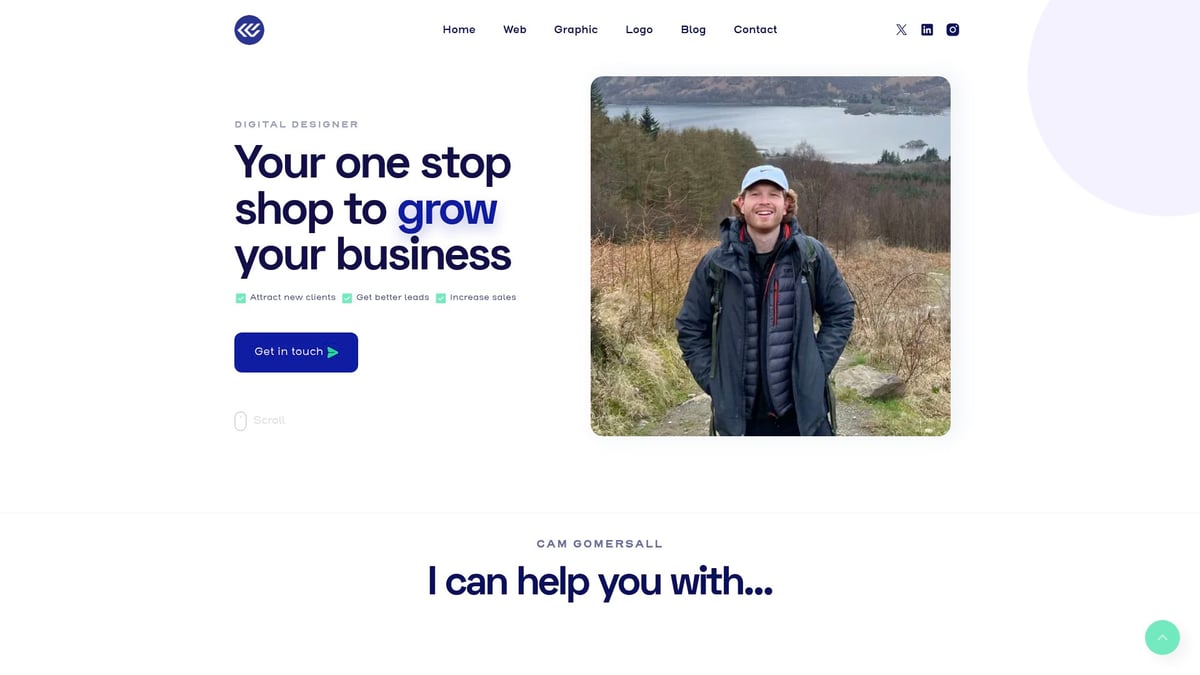
Their personalised process ensures your logo stands out across digital and print. Proven results with Australian businesses highlight fast turnarounds and tailored solutions. Learn more about their logo design services for companies to see how they can help your business grow in 2026.
Best Practices for Logo Implementation and Brand Consistency
Implementing your logo for my company correctly is crucial for establishing a reliable and recognisable brand identity. Consistency and clarity are your best allies when rolling out a new logo, ensuring that every interaction reinforces your company’s message and values. Let’s explore the best practices that guarantee your logo performs at its best across every channel and touchpoint.
Integrating Your Logo Across All Touchpoints
A successful logo for my company is one that appears seamlessly across every platform your audience uses. This means ensuring the logo is consistent on your website, mobile app, email signatures, physical signage, packaging, and even merchandise.
Pay close attention to colour accuracy, size, and placement. Inconsistent visuals can confuse your customers and weaken your brand’s impact. According to Logo Design Statistics 2025, brands with consistent visuals experience a 23 percent increase in revenue, highlighting the importance of uniformity.
Create a checklist for each touchpoint to verify that your logo is displayed correctly and maintains its integrity everywhere it appears.
Creating a Logo Usage Guide
A well-crafted usage guide is essential to protect the integrity of the logo for my company. This document outlines how your logo should and should not be used, covering areas such as minimum clear space, acceptable backgrounds, approved colour palettes, and prohibited modifications.
For instance, specify exact colour codes and outline rules for using the logo on light or dark backgrounds. Include visual examples of correct and incorrect usage. Top Australian companies provide comprehensive brand guidelines to prevent misuse and ensure their logos always look professional.
Investing in a detailed guide will help everyone maintain your brand’s visual identity, regardless of where the logo appears.
Training Teams and Partners
Ensuring your staff and partners understand the importance of the logo for my company is a vital step in brand consistency. Offer training sessions or workshops that walk through proper logo usage and the rationale behind your brand guidelines.
Make use of digital asset management tools to distribute logos and guidelines efficiently. Encourage your team to ask questions and provide feedback, which can highlight areas for improvement.
By educating all stakeholders, you reduce the risk of brand dilution and ensure your company is always represented in the best light.
Monitoring and Evolving Your Logo Over Time
Your logo for my company should not remain static. Regularly monitor its performance by gathering feedback from customers and tracking engagement metrics. If you notice your logo is losing relevance or not resonating as intended, consider a refresh or subtle update.
Successful brands review their logos every few years, making small adjustments to stay modern without losing recognition. Look at recent examples from leading Australian businesses that have evolved their logos to match shifting trends and market expectations.
Being proactive ensures your logo remains an asset as your company grows and the market changes.
As you’ve seen, a memorable logo in 2026 is more than just good design—it’s a vital part of your brand’s story, credibility, and growth. If you’re ready to elevate your business with a logo that captures your unique vision and stands up to the demands of tomorrow’s digital landscape, I’m here to help. With over a decade of experience in branding and digital design for Australian businesses, I offer a personalised approach from strategy through to flawless delivery. Let’s make your brand stand out together—Start your project.