Table Of Contents
In today’s hyper-connected world, it is easy to wonder if traditional tools like business cards still hold value. As digital platforms reshape how we connect, the debate around logo design and business cards becomes more relevant for every business.
This article dives deep into the question: is logo design or a business card more vital for your brand in 2026? We will explore the shifting importance of both, examine their impact on brand identity, and look at how digital trends are transforming networking.
Join us as we break down what delivers the most value, helping you rethink your own brand assets for the future.
The Evolving Role of Logo Design in 2026
In 2026, logo design and business cards remain at the heart of brand identity, but the scales are tipping. As digital experiences dominate, logos have evolved into powerful visual anchors that capture a brand’s essence across every touchpoint. Their ability to instantly communicate values, personality, and professionalism gives businesses a critical edge.
Logos are far more than decorative marks. When thoughtfully crafted, they embody a company’s mission and culture. A memorable logo delivers a sense of trust and consistency, whether on a website, product packaging, or even a storefront. Think of the golden arches of McDonald’s or the bold simplicity of Apple—these icons are universal signals of reliability and quality. With logo design and business cards, the logo serves as the foundation for all other visual elements, anchoring the brand in the minds of customers.

The Foundation of Brand Identity
A strong logo sits at the core of every successful brand, acting as the primary visual identifier. Logo design and business cards work together, but the logo is the first thing people associate with a name. It conveys a company’s values at a glance, from trustworthiness to innovation.
Logos are present on digital platforms—websites, apps, social media profiles—and on physical materials such as packaging and signage. This consistency helps build recognition and loyalty. Iconic logos like Nike’s swoosh or the Qantas kangaroo are instantly recognisable and set the tone for the entire brand experience.
Logo Design Trends and Innovations
The landscape of logo design and business cards is shifting rapidly. In 2026, minimalism, adaptability, and motion graphics are shaping modern logo aesthetics. Brands are embracing simple shapes and bold colours that translate seamlessly across screens and print.
AI-driven tools and generative design are making logo creation more accessible, enabling rapid prototyping and personalisation. Responsive logos—those that adjust in size and complexity for different platforms—are now standard. To stay ahead, many businesses study Logo Design Trends for 2026 to ensure their logos remain relevant in a fast-changing market.
The Business Impact of a Strong Logo
Investing in logo design and business cards can dramatically influence customer perception. A consistent logo boosts trust and drives recognition—key factors in competitive industries. According to Lucidpress (2023), brands with consistent logos are 3.5 times more likely to receive positive brand perception.
Consider the stories of businesses revitalised by logo redesigns: a dated logo can signal stagnation, while a refreshed mark can attract new audiences and inspire employee pride. These shifts are not just cosmetic; they deliver measurable improvements in brand equity and customer engagement.
Logo Design in a Digital-First Era
With digital-first branding now the norm, logo design and business cards are adapting to new realities. Logos serve as profile images, app icons, and favicons, making them central to online presence. For e-commerce brands, a memorable logo strengthens brand recall in crowded marketplaces.
Social media has amplified the importance of logos, turning them into avatars that represent brands in micro-moments. Brands like Canva and Afterpay have prioritised logo design for digital impact, ensuring their visual identity is crisp, scalable, and effective across every device.
Investment and ROI: What to Expect
When considering logo design and business cards, it is essential to weigh the costs and long-term returns. In 2026, professional logo design ranges from $800 to $5,000 depending on complexity and agency expertise. A well-designed logo yields dividends through increased customer loyalty and lasting brand equity.
DIY logo solutions may seem attractive, but they risk producing generic or inconsistent results. Professional design, while more expensive upfront, minimises this risk and maximises brand value over time. Ultimately, thoughtful investment in logo design and business cards pays off through stronger recognition, trust, and business growth.
The Business Card in 2026: Tradition vs Technology
In the rapidly changing landscape of logo design and business cards, understanding the evolving place of the business card is crucial. As technology redefines how professionals connect, the role of the business card is in transition, bridging the gap between tradition and innovation.

The Historical Importance of Business Cards
Business cards have been a cornerstone of professional networking for centuries. Originating in 17th-century Europe, they served as markers of etiquette and social standing. The exchange of cards signified respect and initiated formal relationships.
In the context of logo design and business cards, physical cards were once the primary way to establish credibility and make memorable first impressions. Their design, including logos, colours, and typography, communicated a business's personality and professionalism at a glance.
Today, the legacy of business cards persists, reflecting the timeless value of tangible connections in a digital-first world.
Are Physical Business Cards Still Relevant?
Despite the digital shift, physical business cards remain relevant for many professionals. According to Vistaprint, 63% of small businesses continued using business cards in 2025. Industries such as real estate, events, and consulting rely on these cards for face-to-face networking.
In the debate of logo design and business cards, the tactile nature of a printed card provides a unique advantage. The act of handing over a card during meetings or trade shows leaves a lasting impression, reinforcing trust and approachability.
Physical cards are especially valued in cultures and sectors where personal relationships drive business success.
Digital Business Cards and Smart Solutions
The rise of digital business cards is transforming networking. Near-field communication (NFC), QR codes, and dedicated apps allow professionals to share contact details instantly. Solutions like HiHello and Mobilo Card have made it easy to transition from paper to digital.
This evolution in logo design and business cards brings environmental benefits, reducing paper waste and simplifying updates to contact information. Digital cards can be shared globally, making them ideal for remote teams and international business.
As technology advances, digital business cards are becoming standard for modern, eco-conscious professionals.
Business Cards as a Brand Touchpoint
Business cards are more than just a means of sharing contact details. They are a powerful brand touchpoint, showcasing your logo, brand colours, and unique design elements. A well-designed card reinforces your identity offline, complementing your digital presence.
Creative formats like die-cut shapes, textured finishes, or interactive features can make logo design and business cards stand out. Consistency in branding across all touchpoints strengthens recognition and trust.
For tips on aligning your cards and logo with broader brand strategies, see Establishing a strong brand.
The Cost and ROI of Business Cards
Investing in quality business cards can yield significant returns. In 2026, the average price for premium cards ranges from $50 to $250 per batch, depending on materials and finishes. This investment in logo design and business cards supports lead generation and facilitates successful networking.
Businesses should weigh the ROI by tracking conversion rates from in-person meetings and event contacts. Balancing print and digital card solutions can optimise both reach and cost-effectiveness.
Ultimately, a strategic approach to business cards ensures they remain a valuable asset in your brand toolkit.
Logo Design vs Business Cards: Direct Comparison
In 2026, businesses face a pivotal decision between logo design and business cards when shaping their brand presence. Both tools play distinct roles, yet their value can differ depending on context, audience, and industry trends. Let’s directly compare their impact, versatility, and long-term benefits to help you make an informed choice for your business assets.

Branding Power: Lasting Impressions
Logo design and business cards each contribute uniquely to brand perception. A well-crafted logo creates instant recognition, acting as the visual signature of your business across all platforms. In contrast, business cards add a personal touch, fostering face-to-face connections that can leave a memorable impression long after an initial meeting.
For example, brands like Apple and Nike have logos that transcend language and geography, instantly evoking trust and professionalism. Meanwhile, a thoughtfully designed business card can serve as a tangible reminder of your encounter, especially in industries where personal relationships drive business. Choosing the right mix of logo design and business cards ensures your brand is remembered in both digital and physical spaces.
Versatility Across Channels
The strength of logo design and business cards lies in their adaptability, but each has its limitations. Logos are highly versatile, seamlessly appearing on websites, social media, packaging, and even mobile app icons. This adaptability is crucial for maintaining brand consistency across a multitude of touchpoints.
On the other hand, business cards have traditionally been limited to in-person exchanges. However, digital trends are shifting this landscape, with virtual cards and QR codes extending their reach into online environments. Still, logo design and business cards should be integrated thoughtfully to maximise your brand’s visibility wherever your audience interacts with you.
Networking and Lead Generation
When it comes to networking, logo design and business cards both offer advantages, but in different contexts. Business cards remain powerful ice-breakers during physical meetings, trade shows, and conferences, enabling quick information exchange and personal rapport.
In digital-first settings, your logo becomes the face of your brand on professional networks and online communities. Consistent logo usage on platforms like LinkedIn or company email signatures can enhance credibility and facilitate virtual introductions. By leveraging logo design and business cards together, businesses can optimise lead generation across both traditional and modern networking environments.
Longevity and Brand Consistency
Assessing the lifespan of logo design and business cards reveals critical differences. A strong logo often endures for years, sometimes decades, providing a consistent visual anchor for all branding efforts. Businesses that invest in logo design benefit from evergreen recognition, regardless of changing trends or marketing channels.
Business cards, however, may become outdated due to role changes or evolving contact details. Printing new cards can be costly and time-consuming, while digital alternatives offer more agility. Maintaining consistency between logo design and business cards is essential to avoid confusion and reinforce your brand identity in every interaction.
Cost-Benefit Analysis
Understanding the investment returns for logo design and business cards can guide smart budget decisions. Here’s a quick comparison:
| Feature | Logo Design | Business Cards |
|---|---|---|
| Initial Cost | Higher (professional) | Lower (per batch) |
| Longevity | Years/decades | Months/years |
| Update Cycle | Infrequent | Frequent |
| ROI | Brand equity, loyalty | Networking, leads |
While logo design generally requires a higher upfront investment, its long-term value in brand equity and customer loyalty often outweighs the recurring costs of business cards. For many businesses, integrating both logo design and business cards remains the most strategic approach.
Case Studies: Startups, SMEs, and Corporates
Real-world examples highlight how businesses prioritise logo design and business cards based on their goals. Startups often focus on impactful logo design to quickly establish credibility online, while SMEs balance both assets to cater to diverse clients.
Corporates may invest heavily in logo redesigns during rebranding phases, resulting in measurable boosts to brand recognition and engagement. For in-depth examples, explore these creative design project case studies to see how thoughtful logo design and business cards have driven business success.
Ultimately, your decision should reflect your industry, audience, and growth ambitions. By understanding the unique strengths of logo design and business cards, you can create a cohesive brand experience that stands out in a competitive market.
Digital Transformation: How Technology Is Changing Brand Collateral
The rapid evolution of technology is reshaping the way businesses present themselves. As we approach 2026, the balance between logo design and business cards is shifting, with digital-first solutions taking centre stage. Understanding these changes is crucial for brands aiming to stay relevant and competitive.
The Shift to Digital-First Branding
The way companies build connections has dramatically changed. Remote work and global networking have reduced the need for in-person meetings, leading to a decline in traditional business card exchanges. Instead, digital introductions are now the norm, especially for businesses with international clients.
This shift means logo design and business cards must adapt. Brands need assets that are instantly recognisable online, from email signatures to virtual meeting platforms. The importance of a strong digital presence has never been higher, and companies are investing in branding assets that work seamlessly across all digital touchpoints.
Virtual Business Cards and Contactless Networking
Virtual business cards have surged in popularity, offering contactless solutions for exchanging information. Platforms like LinkedIn, digital portfolios, and QR-based contacts make networking faster and more secure. These tools are especially valuable in a world where physical contact is less common.
With logo design and business cards moving online, security and privacy have become top concerns. Businesses are looking for digital solutions that protect sensitive data while making it easy to share details. As a result, app-based cards and encrypted contact sharing are now standard features for many professionals.
The Essential Role of Logos in Digital Spaces
A company’s logo is more than just a graphic—it’s the face of the business across all digital platforms. Logos now serve as avatars, app icons, and visual signatures on websites, social media, and digital ads. For SEO and app store listings, a memorable logo can significantly boost visibility and credibility.
To stay competitive, businesses are exploring Logo design solutions for brands that prioritise flexibility and adaptability. The synergy between logo design and business cards ensures that branding remains consistent, whether online or offline, helping companies make a lasting impression wherever they appear.
Integrating Traditional and Digital Assets
Hybrid branding solutions are emerging as the new standard. Many businesses now blend physical business cards with digital features such as NFC chips or QR codes, creating seamless transitions between in-person and online networking. This integrated approach bridges the gap between tradition and innovation.
Consistency is crucial for success in logo design and business cards. Ensuring that colours, fonts, and design elements match across all brand collateral helps reinforce a unified identity. Brands that master this integration are better equipped to navigate both physical and digital markets.
Future Trends: What’s Next?
Looking ahead, the future of logo design and business cards will be shaped by new technologies. Augmented reality and virtual reality business cards are set to transform how professionals connect, offering interactive experiences that go beyond traditional exchanges.
Artificial intelligence is also becoming a game changer, enabling personalised brand collateral that adapts to individual preferences. Businesses that embrace these trends will find new ways to stand out, ensuring that logo design and business cards remain essential tools for brand growth in 2026 and beyond.
Making the Right Investment for Your Business in 2026
In 2026, businesses face a critical choice: how to allocate resources between logo design and business cards. The right investment depends on your industry, target audience, and strategic goals. Each brand touchpoint has unique strengths, and understanding these factors helps ensure your business stands out in a competitive landscape.
Assessing Your Industry and Audience Needs
Every sector approaches logo design and business cards differently. Some industries, such as legal, real estate, and events, still rely on physical business cards for building trust and personal relationships. Others, including tech startups and digital agencies, prioritise a strong online presence and memorable logo design for digital touchpoints.
When evaluating your needs, consider:
- Whether your clients prefer in-person or virtual interactions
- The expectations of your industry peers and competitors
- If regulations or cultural norms require physical collateral
For digital-first businesses, a distinctive logo is often non-negotiable, while traditional sectors may still need both logo design and business cards to maintain credibility.
Budgeting for Maximum Brand Impact
Allocating your branding budget wisely ensures maximum return. Startups and small businesses often face tight budgets, making it important to prioritise essentials. Investing in logo design and business cards together can provide a unified, professional image without overspending.
Budgeting tips include:
- Allocating funds for professional logo design first, as it forms the foundation of your brand
- Setting aside a portion for business cards if face-to-face networking is common
- Exploring digital business card solutions for cost savings and flexibility
With careful planning, even modest budgets can achieve a strong impact by balancing logo design and business cards investment.
Building a Cohesive Brand Experience
Consistency is key when it comes to logo design and business cards. Ensuring that your logo, colour palette, and typography are aligned across all materials strengthens brand recognition. Mismatched branding can confuse clients and dilute your market presence.
To create a cohesive experience:
- Use your logo consistently across digital and print assets
- Match business card design elements with your overall brand identity
- Regularly update materials to avoid outdated visuals
For a deeper dive into aligning your branding assets, see Brand identity and logo design. This approach maximises the effectiveness of both logo design and business cards.
Professional Design Services: When to Hire Experts
While DIY solutions are popular, professional designers bring expertise that can elevate your brand. Engaging experts for logo design and business cards ensures your materials are not only visually appealing but also strategically effective.
Consider hiring professionals when:
- Launching a new business or rebranding
- Entering competitive markets
- Needing guidance on the latest design trends and best practices
Professional services offer a comprehensive process, from research to final delivery, making sure your logo design and business cards communicate your brand’s values clearly.
Cam Gomersall Design: Elevating Your Brand for 2026
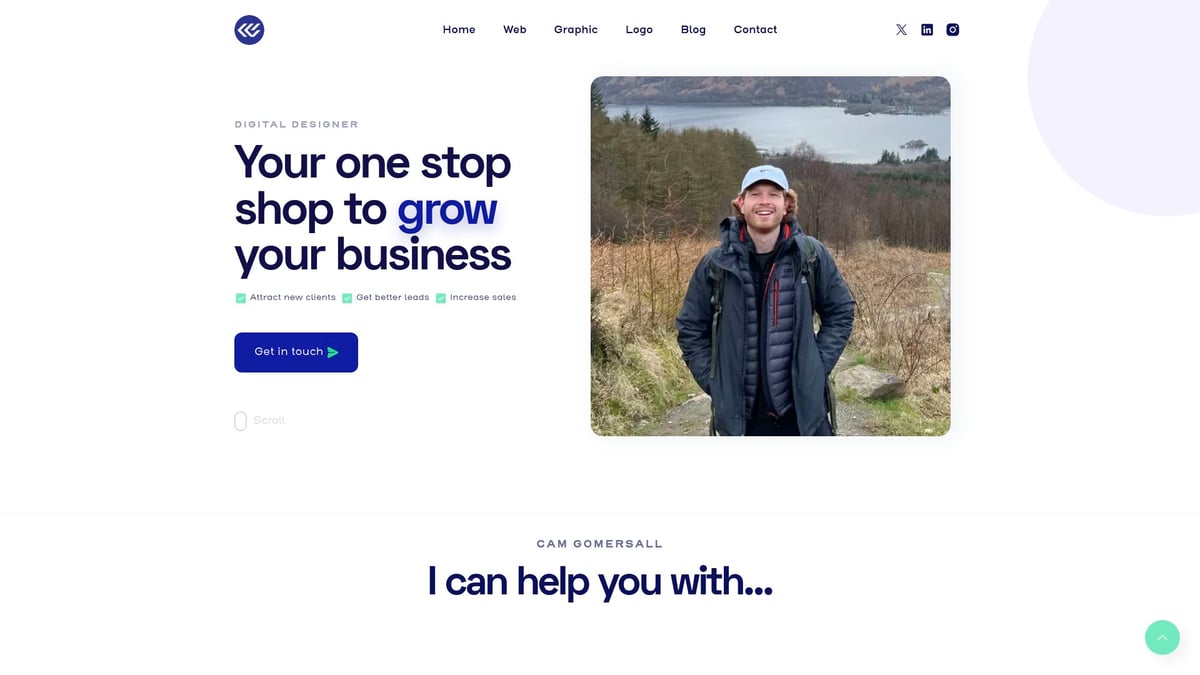
Cam Gomersall Design delivers tailored solutions in logo design and business cards for modern businesses. With over 10 years’ experience, Cam offers end-to-end support, from strategic brand development to both digital and print-ready collateral.
Clients benefit from:
- Bespoke logo design and business cards that resonate with their target audience
- Proven results in enhancing brand visibility and credibility
- Personalised, responsive service for startups, SMEs, and corporates
By choosing Cam Gomersall Design, you ensure your logo design and business cards align perfectly with your vision and future growth.
Do You Still Need Business Cards in 2026?
In 2026, the debate around logo design and business cards is more relevant than ever. As digital transformation accelerates, many professionals question the need for traditional business cards. Yet, the answer is not one-size-fits-all. The case for keeping business cards, moving fully digital, or adopting a hybrid approach depends on your business context and brand strategy.
The Case For Keeping Business Cards
Physical business cards still play a vital role in industries where face-to-face interaction is valued. At trade shows, networking events, and local business gatherings, handing over a card creates a tangible connection. The act itself leaves a psychological imprint, reinforcing professionalism and trust.
Key scenarios where logo design and business cards remain essential include:
- Conferences where quick exchanges are needed
- Cultures that value formal etiquette
- Service-based industries like real estate or consulting
For many, the physical exchange is a memorable ritual that digital solutions cannot fully replicate. A well-designed card featuring your logo design and business cards can make your brand stand out in a crowded room.
The Argument for Going Fully Digital
With rapid advancements in technology, many professionals are shifting to digital solutions. Digital business cards, QR codes, and NFC-enabled devices allow instant sharing of contact details. This move is driven by environmental concerns and the need for efficient, global connectivity.
Younger professionals are leading the trend, with 78% under 35 preferring digital cards, reflecting a shift in how logo design and business cards are used. Benefits include:
- Reduced paper waste and printing costs
- Easy updates and no risk of outdated information
- Seamless integration with CRM and networking platforms
For businesses operating globally or remotely, digital cards can streamline introductions and keep branding consistent across all touchpoints.
The Hybrid Approach: Best of Both Worlds
Many businesses are embracing a hybrid strategy, blending the advantages of both physical and digital cards. This approach offers flexibility, enabling you to cater to diverse client preferences and situations.
Hybrid solutions often feature:
- NFC chips or QR codes on printed cards, linking to digital profiles
- Consistent logo design and business cards across all formats
- Options for clients who value either traditional or digital exchanges
Case studies show that businesses using both forms achieve higher engagement rates at events and online. By integrating logo design and business cards into a cohesive hybrid system, you create a seamless brand experience that adapts to any networking scenario.
After exploring how both logos and business cards shape your brand in 2026, you probably see just how important it is to invest in the right assets for your business. Whether you’re building a strong digital presence with a memorable logo or keeping personal connections alive with striking business cards, a cohesive approach can truly set you apart. If you’re ready to elevate your brand strategy and make sure your collateral works for you in every setting, let’s talk about your goals and how I can help bring them to life. Start your project